

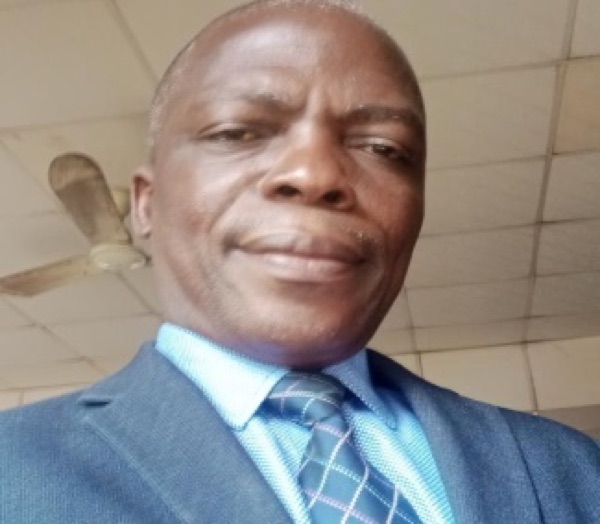
Dr. Babajide Adesoji Ajayi
Acting Head of Department

A four-year B.Sc. (Hons) Economics programme, structured on the CCMAS, that blends economic theory, quantitative skills and policy analysis, preparing graduates for careers in banking, finance, consulting, public policy, entrepreneurship and research.
Motto: Smart choices, Real solutions
Acting Head of Department
The Department of Economics resides within the Faculty of Social and Management Sciences of Anchor University, Lagos. It offers a four-year B.Sc. (Hons) programme, structured on the Core Curriculum and Minimum Academic Standards (CCMAS). The curriculum blends economic theory, quantitative skills and policy analysis, preparing graduates for careers in banking, finance, consulting, public policy, entrepreneurship and research.
With seasoned lecturers, students are groomed to analyse real-life problems and provide practical solutions for economic growth and development, emerging as decision makers and future leaders who will shape the economy of tomorrow.
Vision: the vision of the Department aligns with that of Anchor University, which seeks to be a citadel of learning for holistic human transformation and development.
Mission: in consonance with that of the University, to impart the necessary economic knowledge, attitude and skills that would enable graduates to become self-reliant practitioners, leaders with godly integrity and researchers with global relevance.
Philosophy: the Department focuses on producing graduates who are morally upright and fully equipped with the appropriate toolkit to serve the nation and the global community at large. A fundamental and broad knowledge of Economics enhances the graduate's self-reliance and ability to contribute to solving the socio-economic problems of society.
Core professional skills: analytical and problem-solving skills; quantitative and data analysis skills (Mathematics, Statistics, Econometrics, STATA, SPSS, R and Excel); critical thinking and decision making.
Digital and entrepreneurial skills: digital literacy and ICT skills, including data visualisation, e-commerce and fintech; entrepreneurship and innovation; financial literacy.
Communication and workplace skills: communicating economic analysis to non-experts; teamwork and interpersonal skills; leadership and ethical skills; research skills; adaptability and lifelong learning; policy formulation and implementation.
Values and character: good character, competence and courage; uncovering rather than covering up corruption; social responsibility and ethical practice.
Degree classification (CGPA): First Class Honours 4.50–5.00; Second Class Honours (Upper Division) 3.50–4.49; Second Class Honours (Lower Division) 2.40–3.49; Third Class Honours 1.50–2.39; Pass 1.00–1.49. Grades: A (70–100) = 5, B (60–69) = 4, C (50–59) = 3, D (45–49) = 2, E (40–44) = 1, F (0–39) = 0. A CGPA below 1.50 at the end of a session means the student is not in good standing.
The Department of Economics has a fully equipped Econometric Laboratory which conforms with NUC Minimum Academic Standards for the use of industry-standard software.
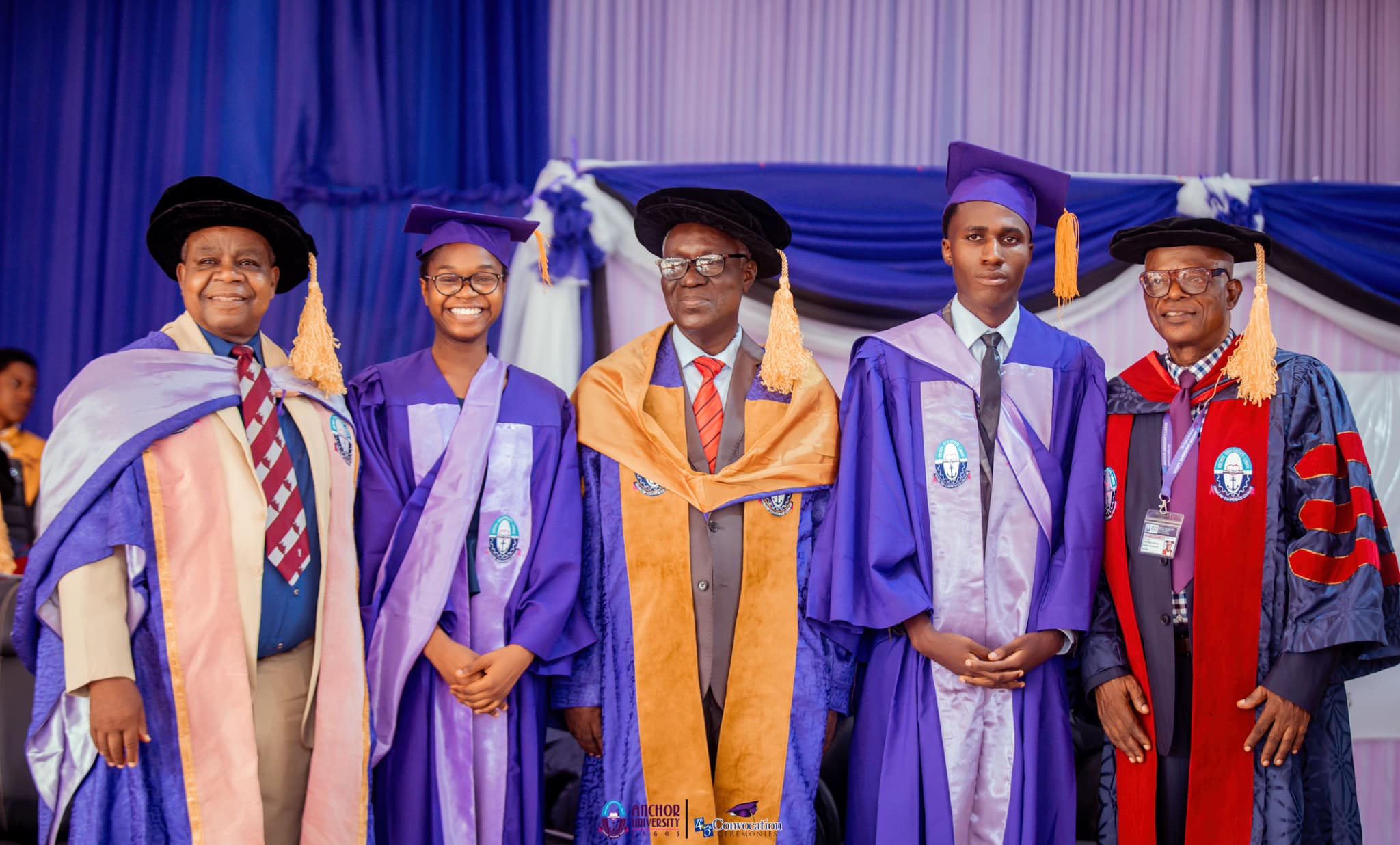
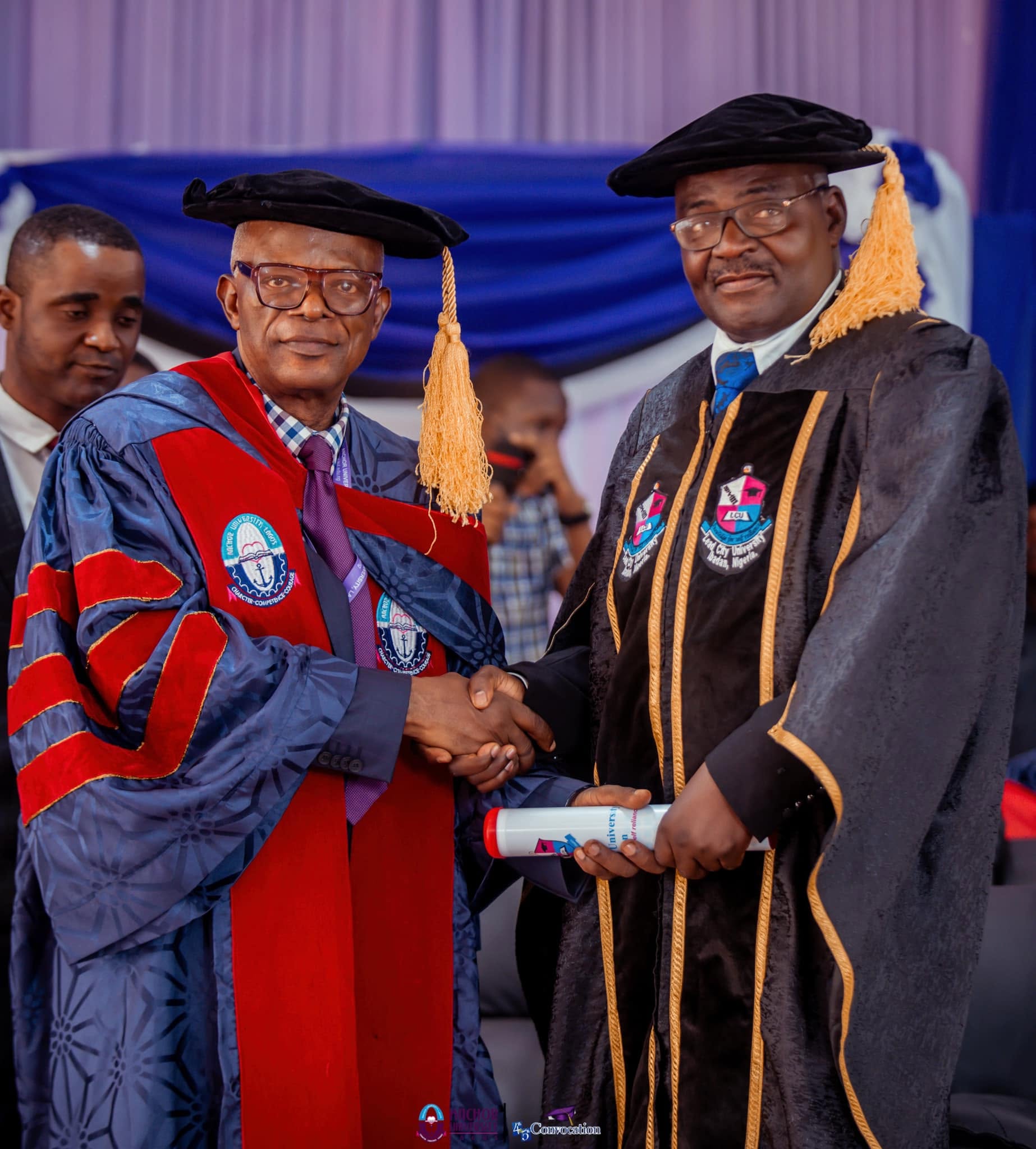
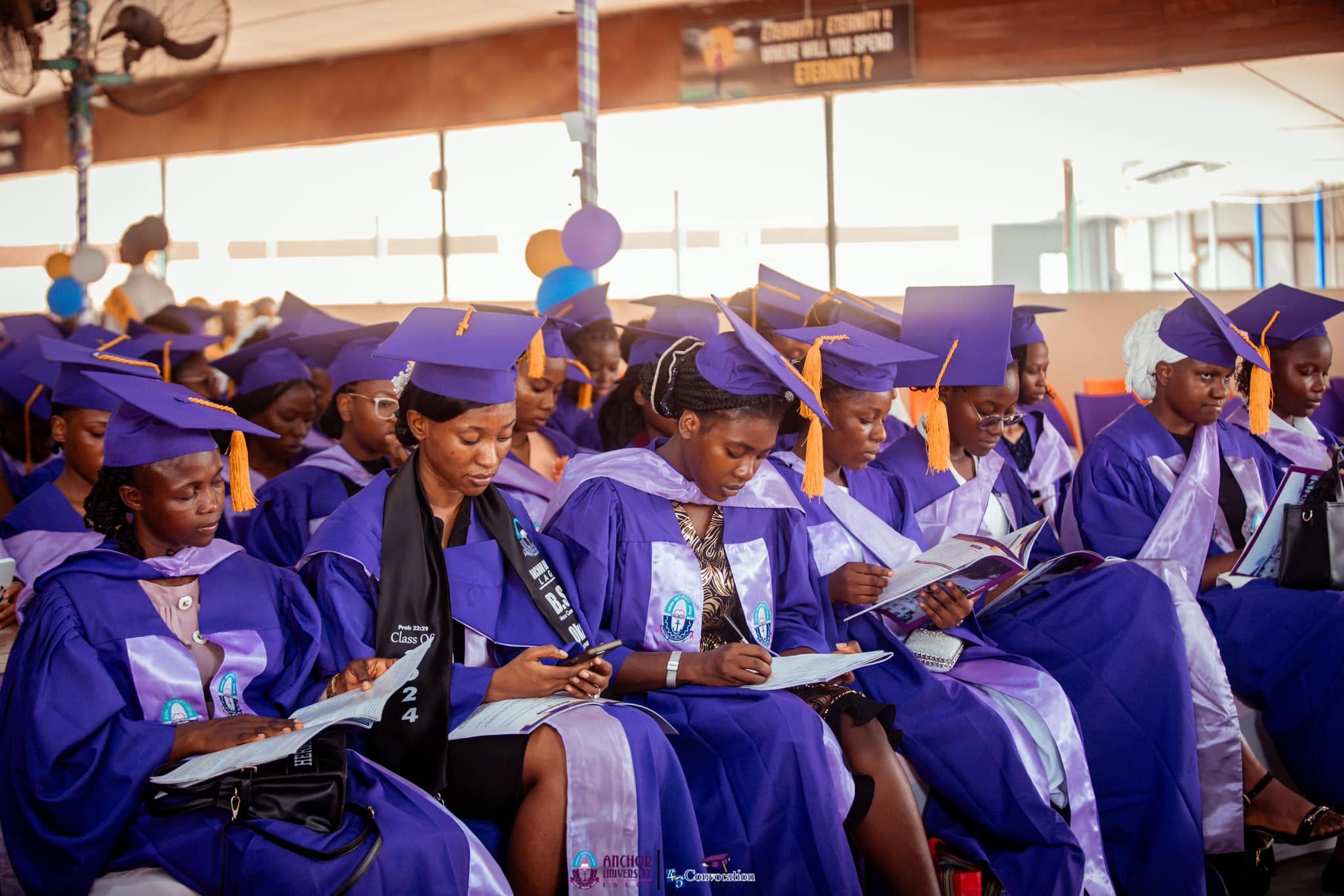
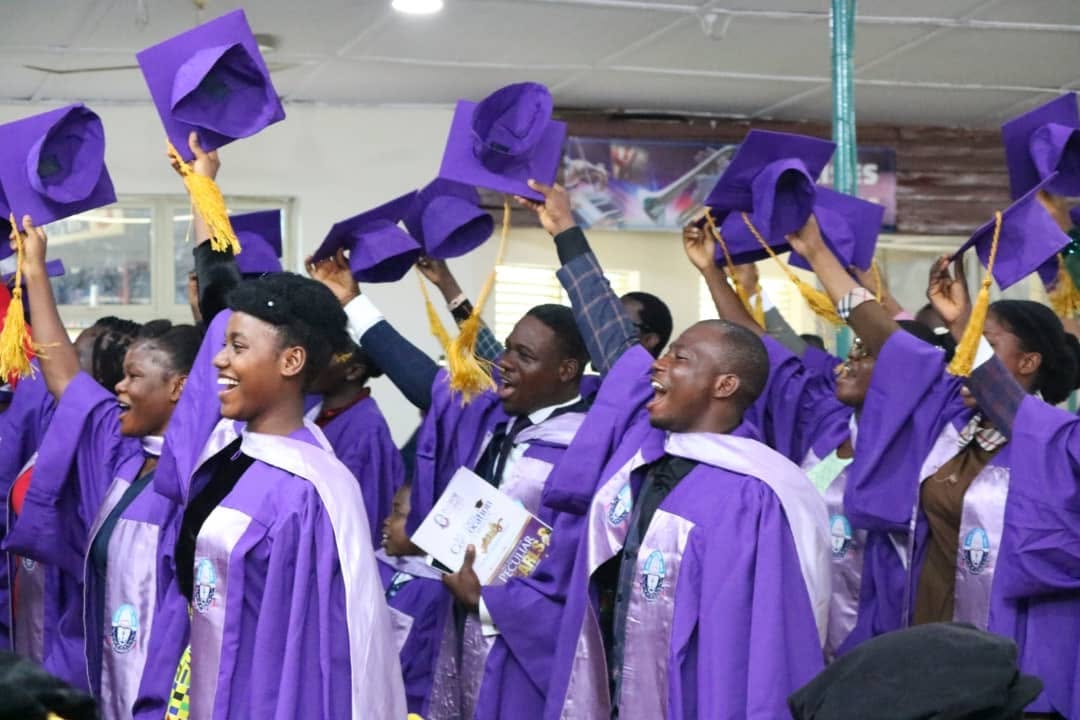
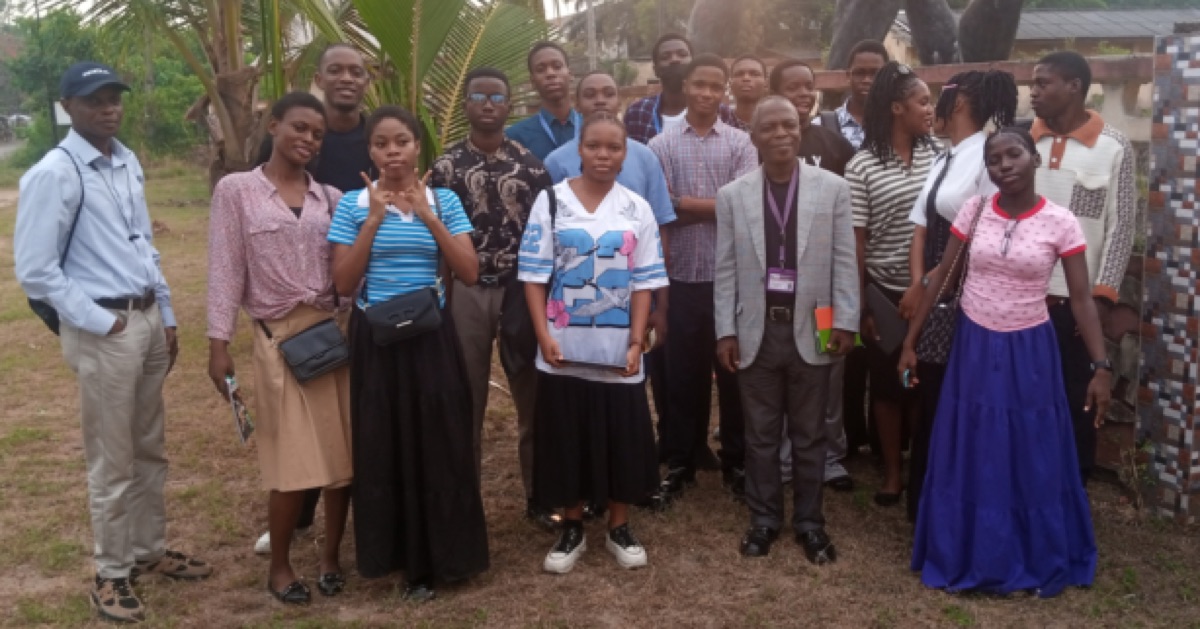
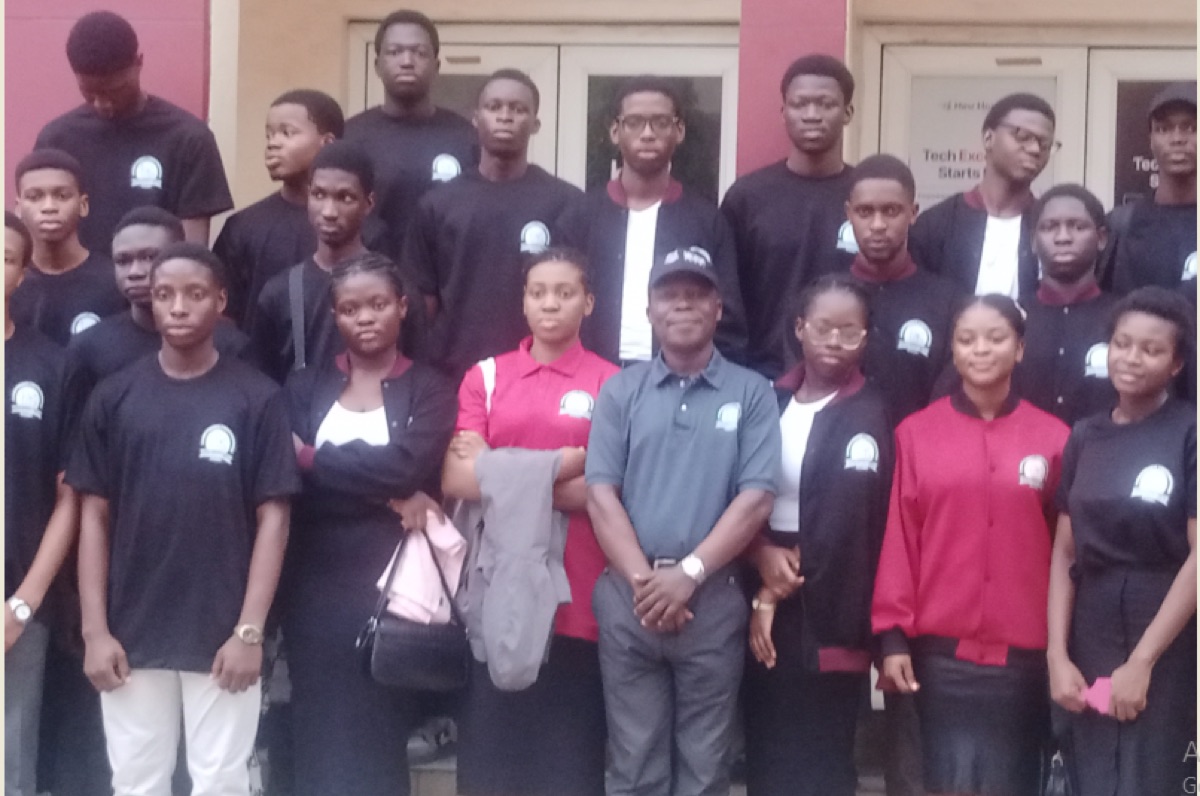
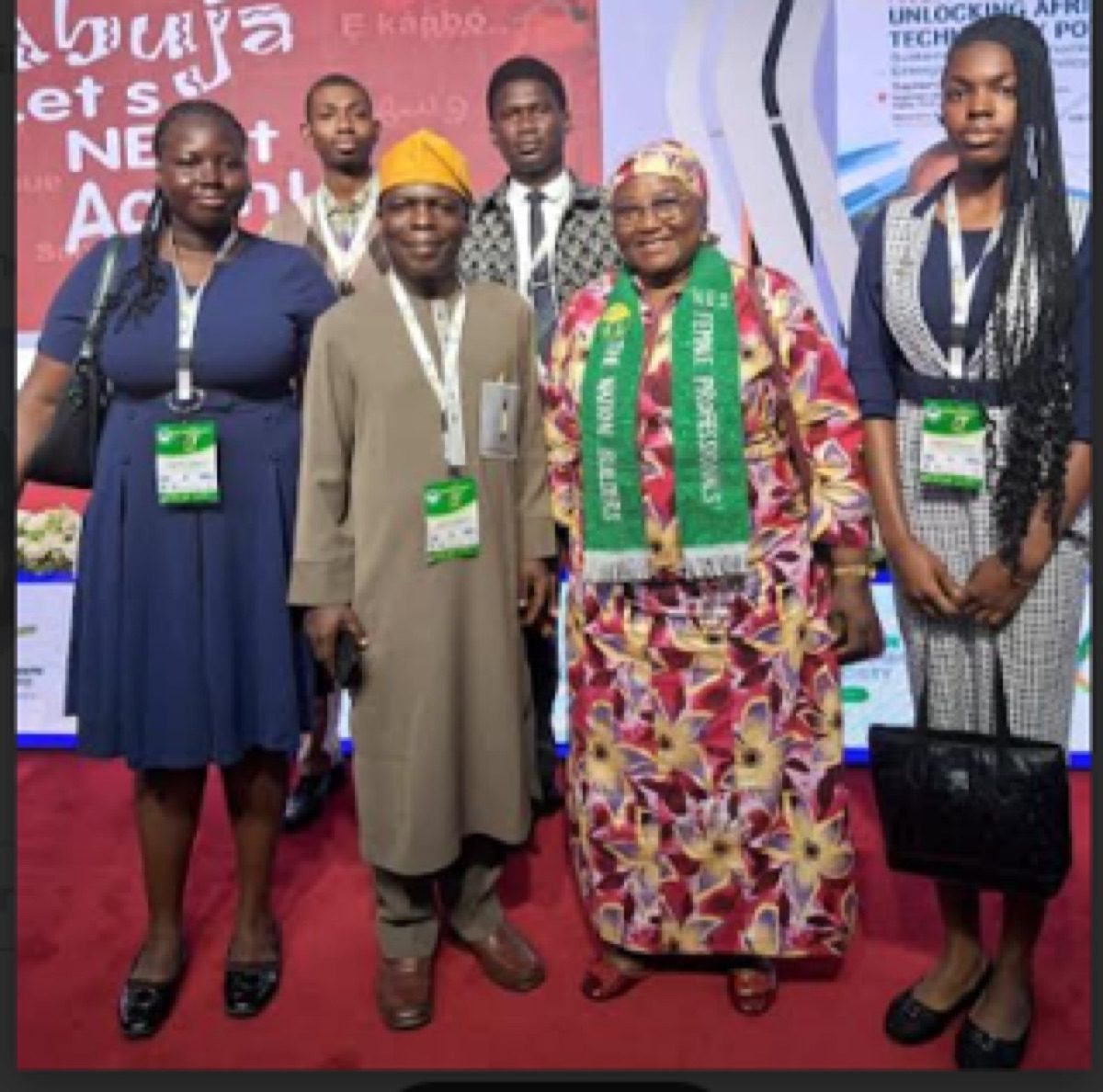
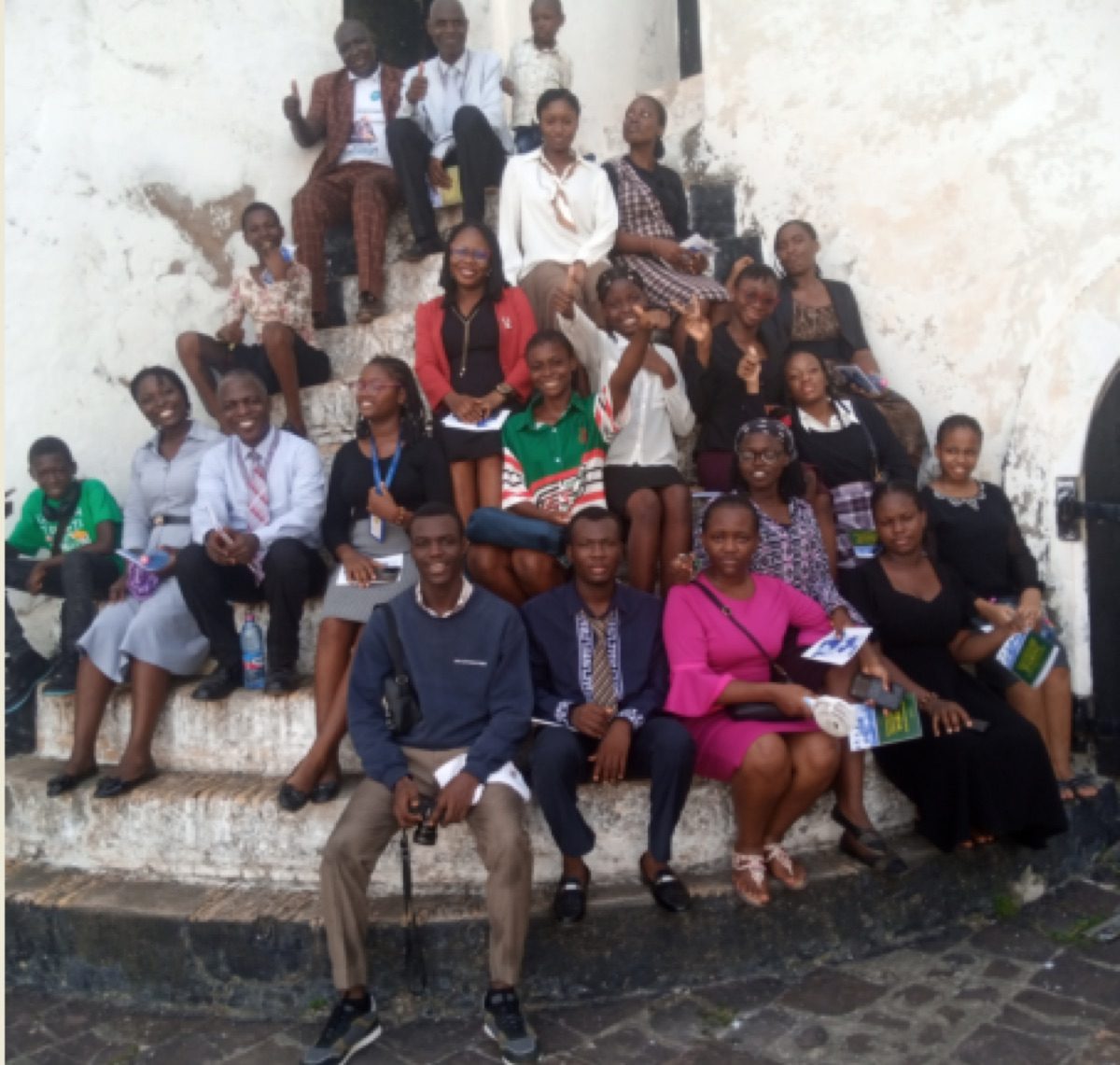
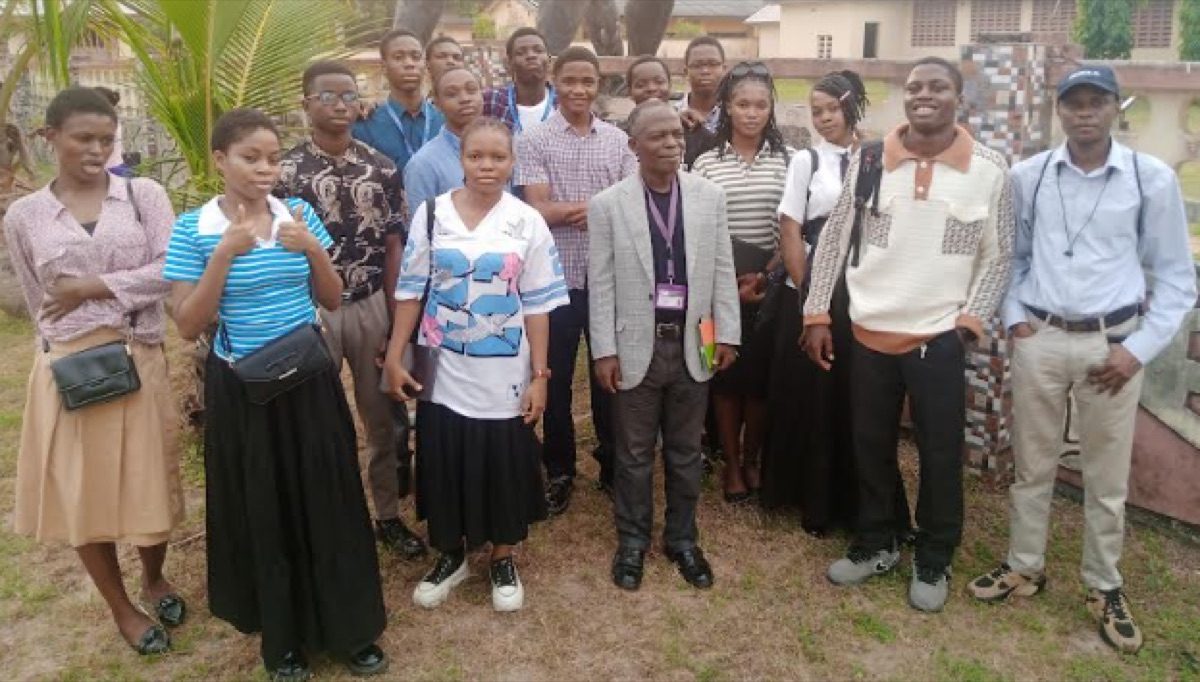
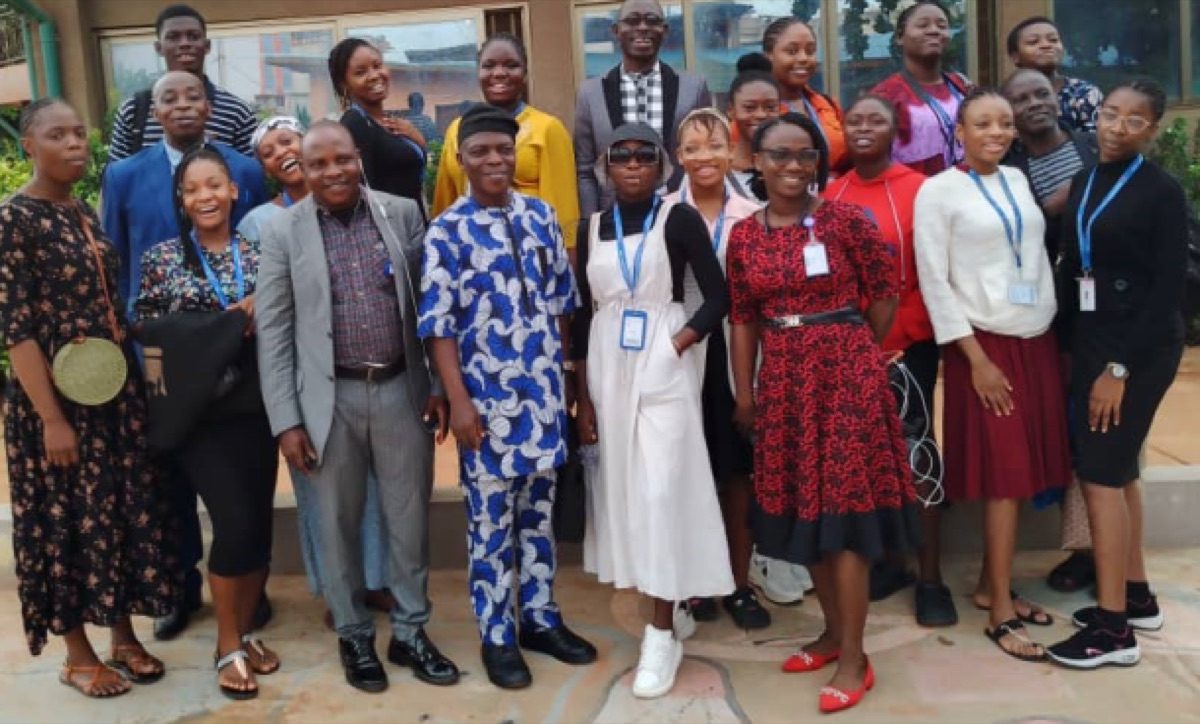
Life in the Department goes well beyond the lecture room. Students learn by doing in the Econometric Laboratory, and through academic, professional and social activities they build confidence, teamwork and the industry exposure that the programme is designed to deliver.
Economic theory, quantitative skills and policy analysis, with an Econometric Laboratory and compulsory SIWES, preparing graduates for banking, finance, consulting, public policy, entrepreneurship and research.
Acting Head of Department
Dr. Babajide Ajayi is a specialist in Oil and Gas Economics at the department of Economics, Faculty of Social and Management Sciences, Anchor University, Lagos. He obtained his B.Sc (Educ) Economics degree from Ogun State University, Nigeria, M.Sc Economics degree from Lagos State University, Nigeria and Ph.D in Oil and Gas Economics from Department of Minerals, Petroleum Energy Economics and Law, University of Ibadan. He is a recipient of Lifetime Member Learning Community of University of Massachusetts, Boston, USA. He is equally a Fellow of the Institute of Chartered Administrators of Nigeria (CFIAR), Full Member Nigerian Economic Society (NES),World Economic Society and Member, Nigeria Association of Energy Economics (NAEE)
Aside from his statutory responsibilities as a Lecturer, Babajide Ajayi is currently serving the University as member of Anchor University Community Development Committee and Chair of the Faculty of Social and Management Sciences Students Enrollment/Affairs and Alumni Relations Committee.
His research interest includes oil and gas economics, energy economics, international trade and economic growth. He has participated and presented papers in various conferences with several articles and publications in international and local journals.
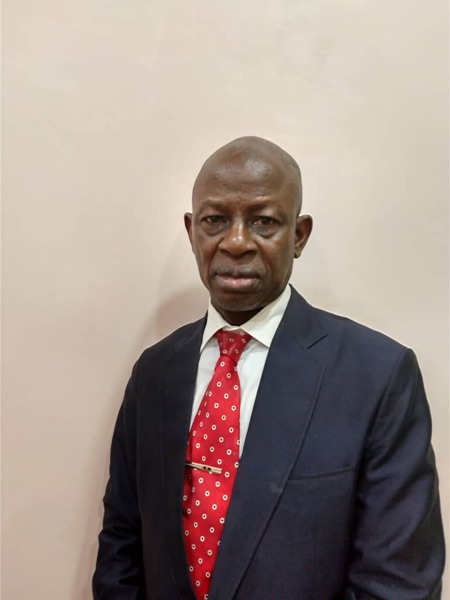
Professor of Economics; Dean of Postgraduate Studies
Isaiah Oluranti OLURINOLA (formerly, OGUNRINOLA), is a Professor of Economics in the Department of Economics, Faculty of Social and Management Sciences, Anchor University, Lagos, Nigeria. He obtained BSc, MSc and PhD degrees in Economics from Obafemi Awolowo University, Ile-Ife, Nigeria.
Prior to joining Anchor University, Professor Olurinola lectured at Covenant University, Ota Ogun state, Obafemi Awolowo University, The Polytechnic Ibadan, Esa-Oke Satellite campus. He taught (and still teaches) courses in Economic Theory (Micro and Macro), Labour Economics, Economics of Development and Mathematics and Statistics for Economists. He was Training Manager, Senior Manager and Principal Manager in charge of Training and Manpower Development duties at the Financial Institutions Training Centre, Nigeria (1991-1996); Manager, Employment & Manpower Development; and Materials Supply Manager (1996-2001) in Dunlop Nigeria Plc; and he also served as the Human Resources & Logistics Manager, in Cakasa Nigeria Limited (2001-2003).
His research interests include Economics of the informal sector; Labour/Human Capital Economics and Economics of Development. Professor Olurinola has published widely in reputable local and international journals.
Professor Olurinola has successfully supervised twelve Phd, Eleven MSc and many BSc. students in different areas of Economic Development, and the Economics of Informal Sector. Professor Olurinola is a passionate teacher, active researcher, and conference speaker.

Professor of Economics; Director of Academic Planning and Quality Assurance
Professor Lukmon Oladele ODERINDE is a Professor of Economics and the Director of Academic Planning and Quality Assurance at Anchor University, Lagos. He holds a B.Sc. in Economics from Ogun State University, Ago-Iwoye, a Postgraduate Diploma in Education from the University of Calabar, an M.Sc. in Economics from the University of Lagos, and a Ph.D. in Economics from the University of Ibadan.
With nearly three decades of experience in teaching, research, and academic leadership, Professor Oderinde has served in several strategic positions, including Acting Head of the Department of Economics, Director of Foundation School, Chairman of the Academic Board of JUPEB, and Chairman of the University Central Examination Timetable Committee. His research interests include Energy Economics, Industrial Economics, and Econometric Modelling,and his scholarly work has attracted international fellowships and grants while contributing to economic policy and higher education development. Beyond academia, Professor Oderinde is a passionate mentor, an award-winning teacher, and an active member of several professional economic associations. Above all, he is a committed Christian leader in the Deeper Life Bible Church, where he continues to mentor young people and promote the values of diligence, integrity, excellence, and service to God. His life and career exemplify the biblical principle of Romans 12:11: "Not slothful in business; fervent in spirit; serving the Lord."

Lecturer
Gbenga Peter SANUSI is an energy and development economist, and a faculty member in the Department of Economics at Anchor University, Lagos, Nigeria, where he has served as the department 's Pioneer Coordinating Head. Gbenga is one of the 33 scholars invited 2025 to attend the Africa Programme on Rethinking Development Economics (APORDE), a high-level training programme in development economics aimed at building capacity in economics and economic policy-making in Johannesburg, Gauteng Province, South Africa. His research focuses on macroeconomics, energy economics, and quantitative analysis. He has published extensively both in local and international journals on the energy, economic diversification, fiscal policy, and remittances. He is a member of professional bodies, including the Nigerian Association of Energy Economics (NAEE), the Nigerian Economic Society (NES), and the World Economic Association (WEA).
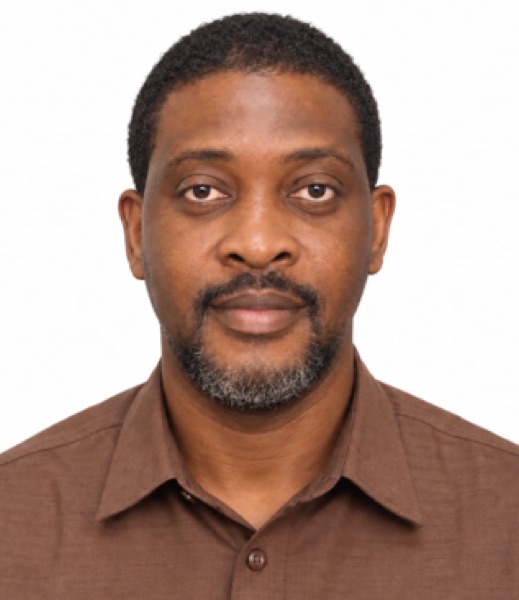
Lecturer II
Gabriel Eromosele Akhidue is a Lecturer in the Department of Economics, Anchor University, Lagos. He is an economist, lecturer and researcher with teaching and research experience in economics, statistics, mathematics and econometrics. He holds a B.Sc. in Economics from Ambrose Alli University, a M.Sc. in Economics from the University of Benin, and a Ph.D. in Economics from the University of Benin. He has been a member of the academic staff of Anchor University since 2021, having served as an Assistant Lecturer from 2021 to 2024 and as a Lecturer II from 2024 to date. Before joining the university, he worked with Pioneer Education Center from 2016 to 2021. At Anchor University, he teaches a range of undergraduate courses, including Principles of Economics, Introduction to Statistics, Mathematics for Economists, Introductory Econometrics, and Computing Applications for Economists. His teaching interests combine economic theory with quantitative and analytical methods, with a focus on developing students ' ability to apply economic concepts and analytical tools to real-world problems.
His research interests include economic growth, foreign direct investment, public sector efficiency, public-private partnerships, corruption, government expenditure, external debt and consumer behaviour. His published research includes studies on bread consumption in Benin City, corruption in the ECOWAS region, and the impact of foreign direct investment on economic growth in Sub-Saharan Africa. He has also published conference proceedings on external debt, government expenditure and economic growth in Nigeria. His current research examines the role of public-private partnerships in addressing inefficiencies in the public sector.
He is a member of the Nigerian Economic Society and served as a reviewer for Heliyon. He has also participated in academic conferences, research methodology training and professional workshops.

Lecturer
Iwasam Eja Egbe is an economist and educator in the Department of Economics, Anchor University Lagos. She graduated with a first-class degree in Economics from Anchor University Lagos, where she was named Overall Best Graduating Student in 2022 and has recently completed a master’s degree in economics at Covenant University, Ota.
In the Department, she teaches and supports undergraduate students across courses in international economics and macroeconomics. Her research focuses on macroeconomics, monetary policy, environmental and fiscal policy. She is a Research Fellow at the Centre for Economic Policy and Development Research (CEPDeR), Covenant University, and previously worked as a Research Intern at ScribbleGreen Technologies.
Beyond her formal role, she volunteers her skills in service of national development, particularly SDG 1, No Poverty and SDG 2, Zero Hunger.
Industrial visits, excursions, conferences and field trips.
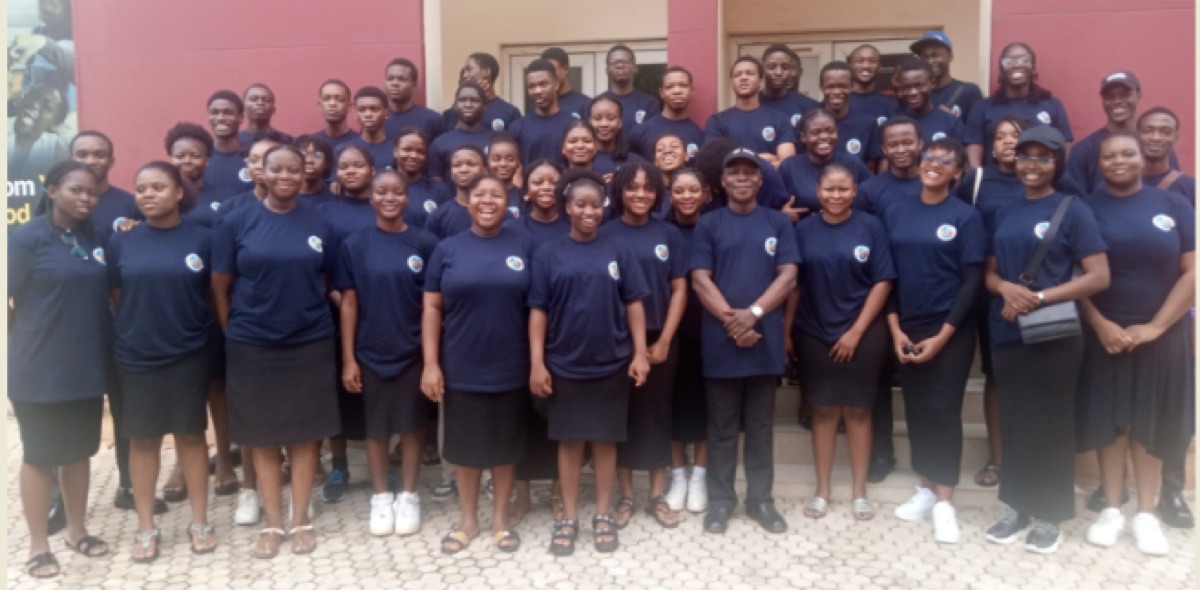

Admissions for the 2026/2027 academic session are now open. Take the first step towards a brighter future at Anchor University Lagos.