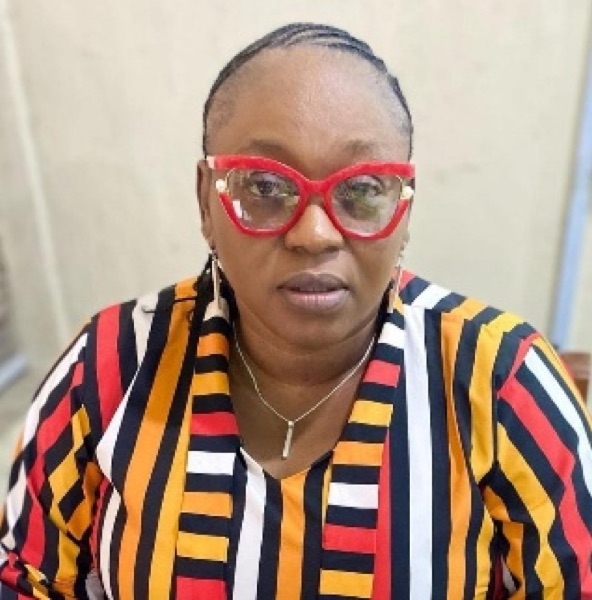
Dr. Gloria Onyinyechi Chigbu
Departmental Coordinator

A professionally oriented four-year B.Sc. (Hons) Mass Communication programme, built on the CCMAS, that prepares students for careers in journalism, public relations, advertising, broadcasting, film and book publishing, and communication roles across industry, government and the non-profit sector.
Motto: Effective Communication, Greater Understanding
Departmental Coordinator
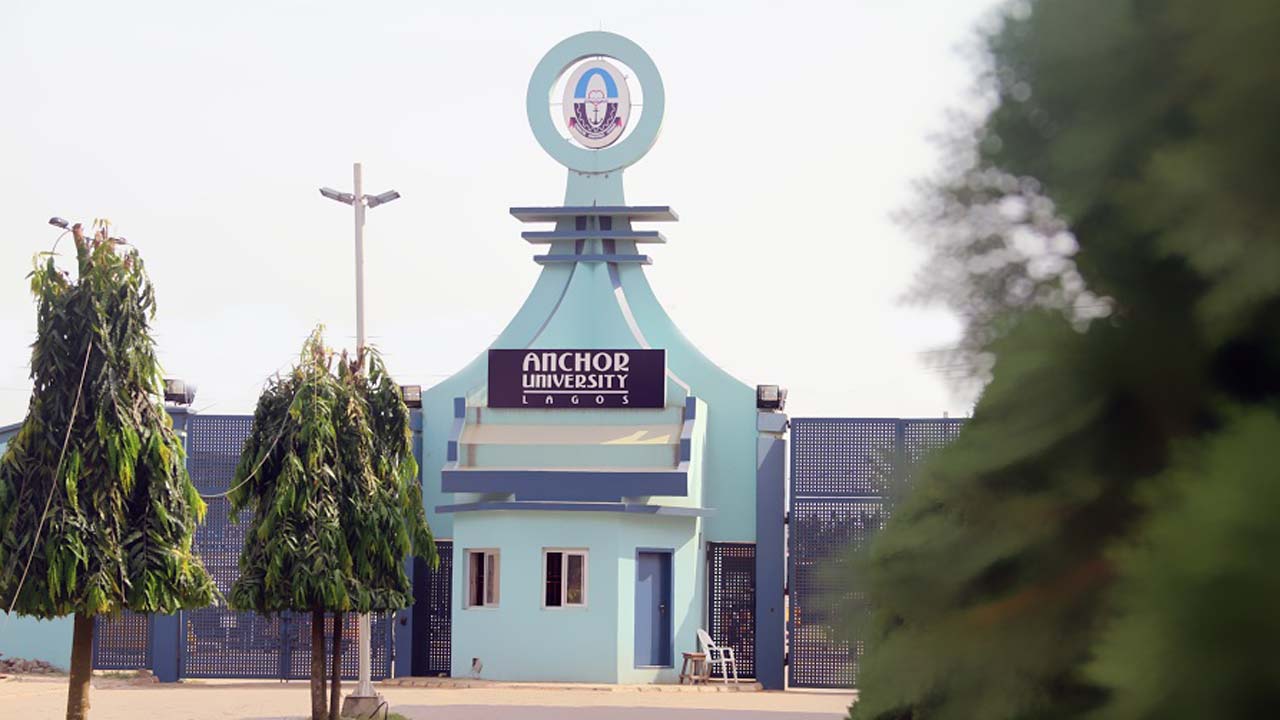
The Department of Mass Communication sits within the Faculty of Social and Management Sciences of Anchor University, Lagos. It offers a professionally oriented four-year B.Sc. (Hons) programme, built on the Core Curriculum and Minimum Academic Standards (CCMAS), that prepares students for careers in journalism, public relations, advertising, broadcasting, film and book publishing, as well as communication roles in healthcare, finance, information technology, government and the non-profit sector.
Students examine how communication and media work and how they shape society. They learn the history, theories and criticisms of mass media, how to choose the most effective tools and strategies to promote messages, products and programmes, and how the psychology of communication affects audiences.
Vision: to be a leading centre for communication and media education in Nigeria and beyond, producing ethical, skilled and innovative communicators who advance understanding in society.
Mission: to train competent, self-reliant and morally upright communicators through a blend of theory, hands-on practice and technology, equipping them to serve society with truth, responsibility and professional excellence in a converged media world.
Philosophy: the programme is anchored on the theory and practice of how journalism, public relations, advertising, broadcasting and film create, distribute and earn value in the era of media convergence.
Employability skills: content development and media production; photography, studio and camera operations; website and social media management; fact-checking, data-driven journalism and infographics; desktop publishing and media entrepreneurship.
21st-century skills: writing, speaking and interpersonal communication; critical thinking, analysis and problem solving; creativity, innovation and digital literacy; teamwork, networking and advocacy; social mobilisation and community engagement.
Values and character: truth as the cornerstone of good and responsive journalism; serving as a voice for the voiceless; uncovering rather than covering up corruption; social responsibility and ethical practice.
Degree classification (CGPA): First Class Honours 4.50–5.00; Second Class Honours (Upper Division) 3.50–4.49; Second Class Honours (Lower Division) 2.40–3.49; Third Class Honours 1.50–2.39; Pass 1.00–1.49. Grades: A (70–100) = 5, B (60–69) = 4, C (50–59) = 3, D (45–49) = 2, E (40–44) = 1, F (0–39) = 0. A CGPA below 1.50 at the end of a session means the student is not in good standing.
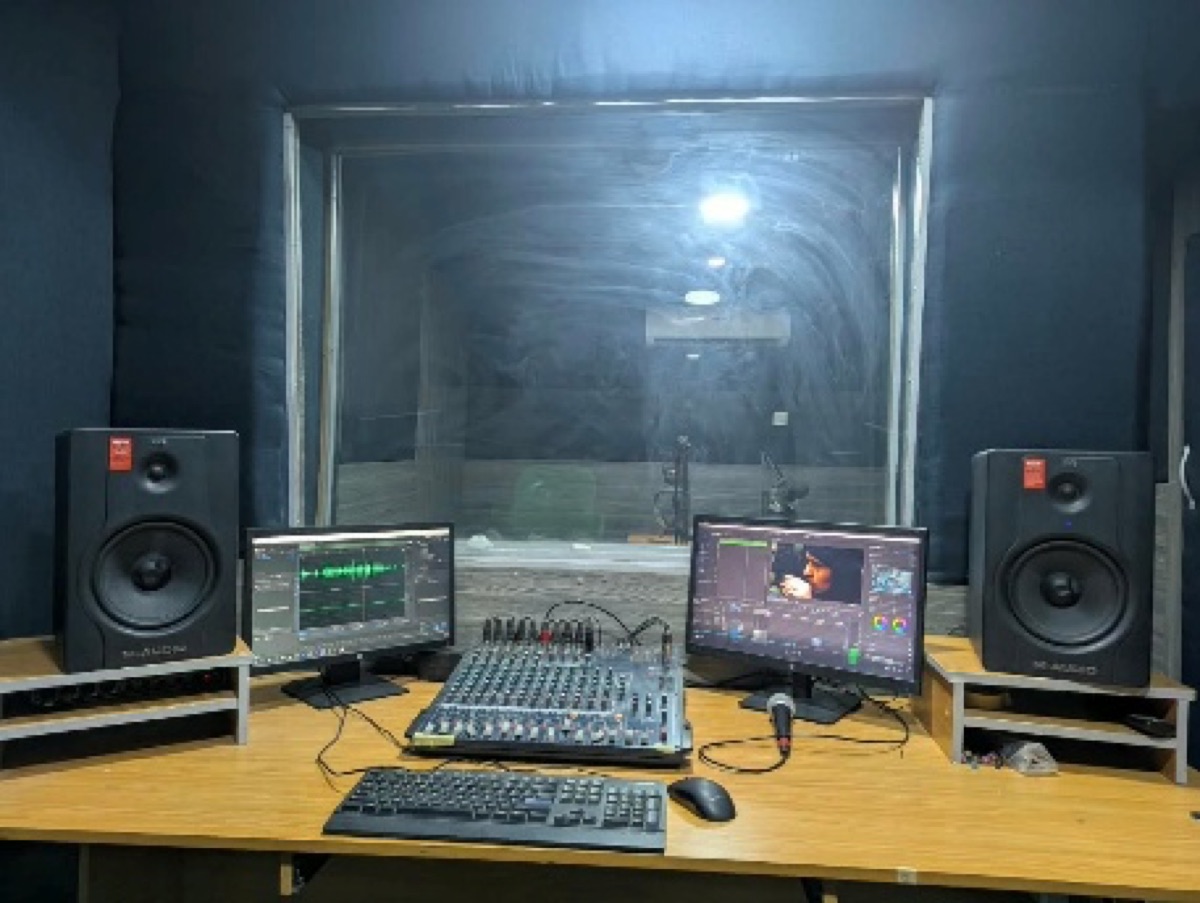
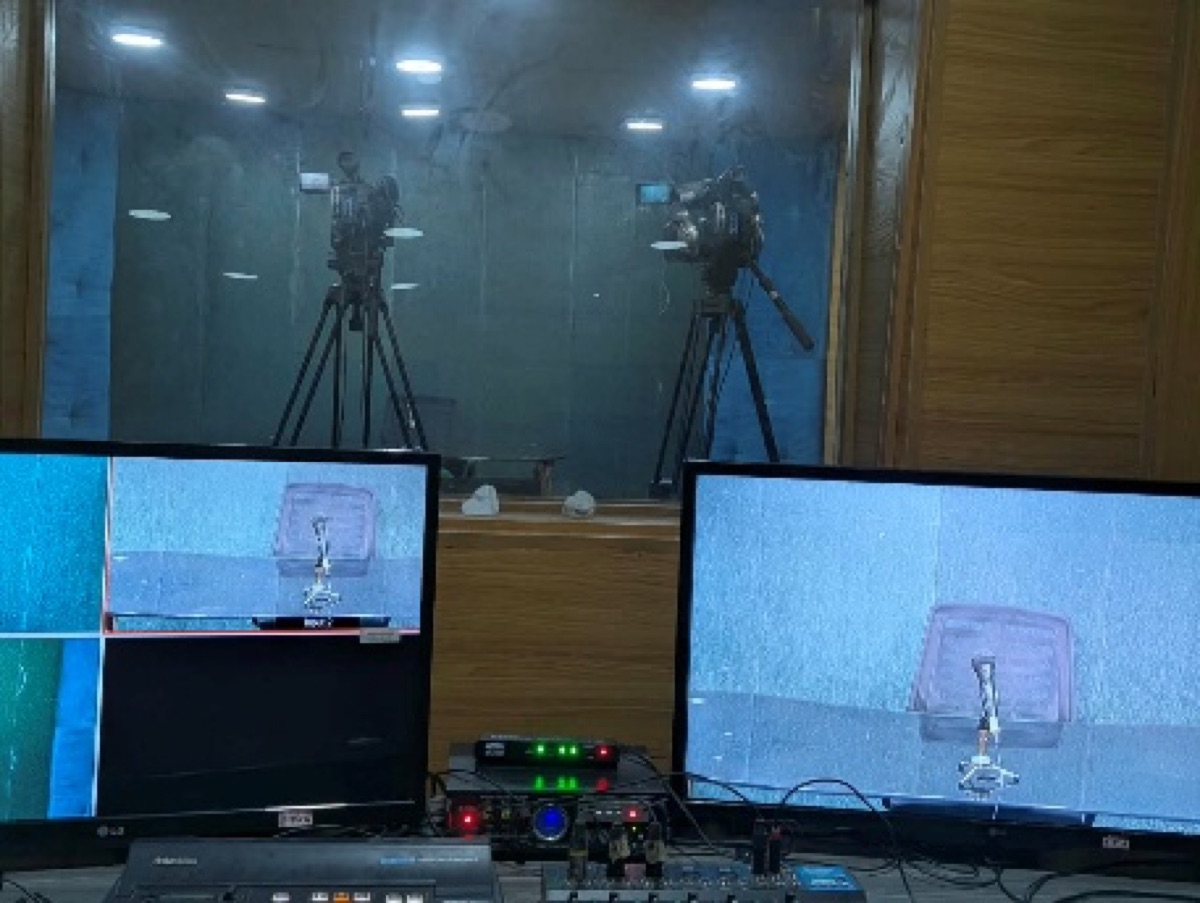
The programme requires a broadcast studio with film production equipment meeting NUC Minimum Academic Standards, along with a photo laboratory and computer facilities for graphic design, editing and web development using industry-standard software.
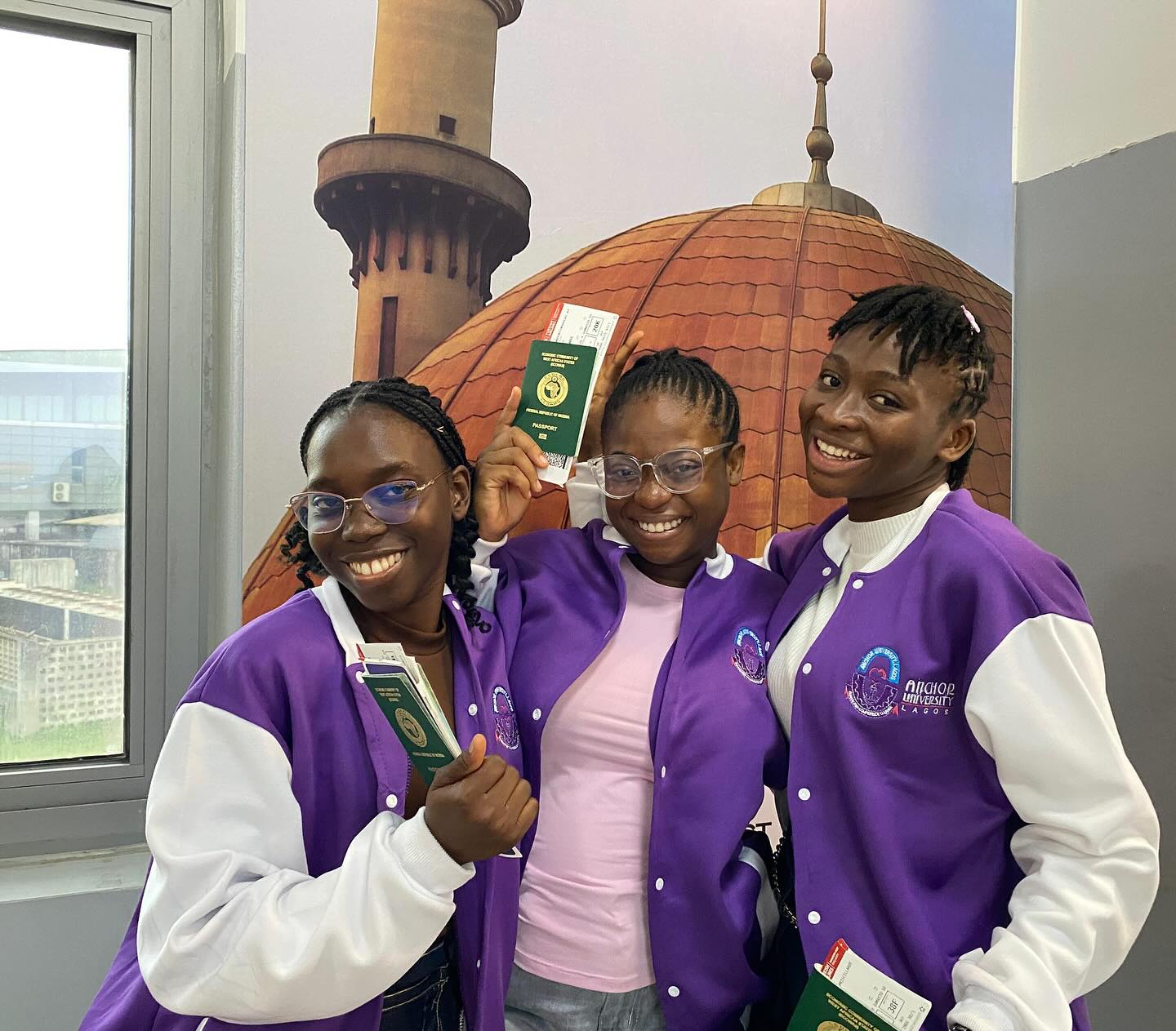
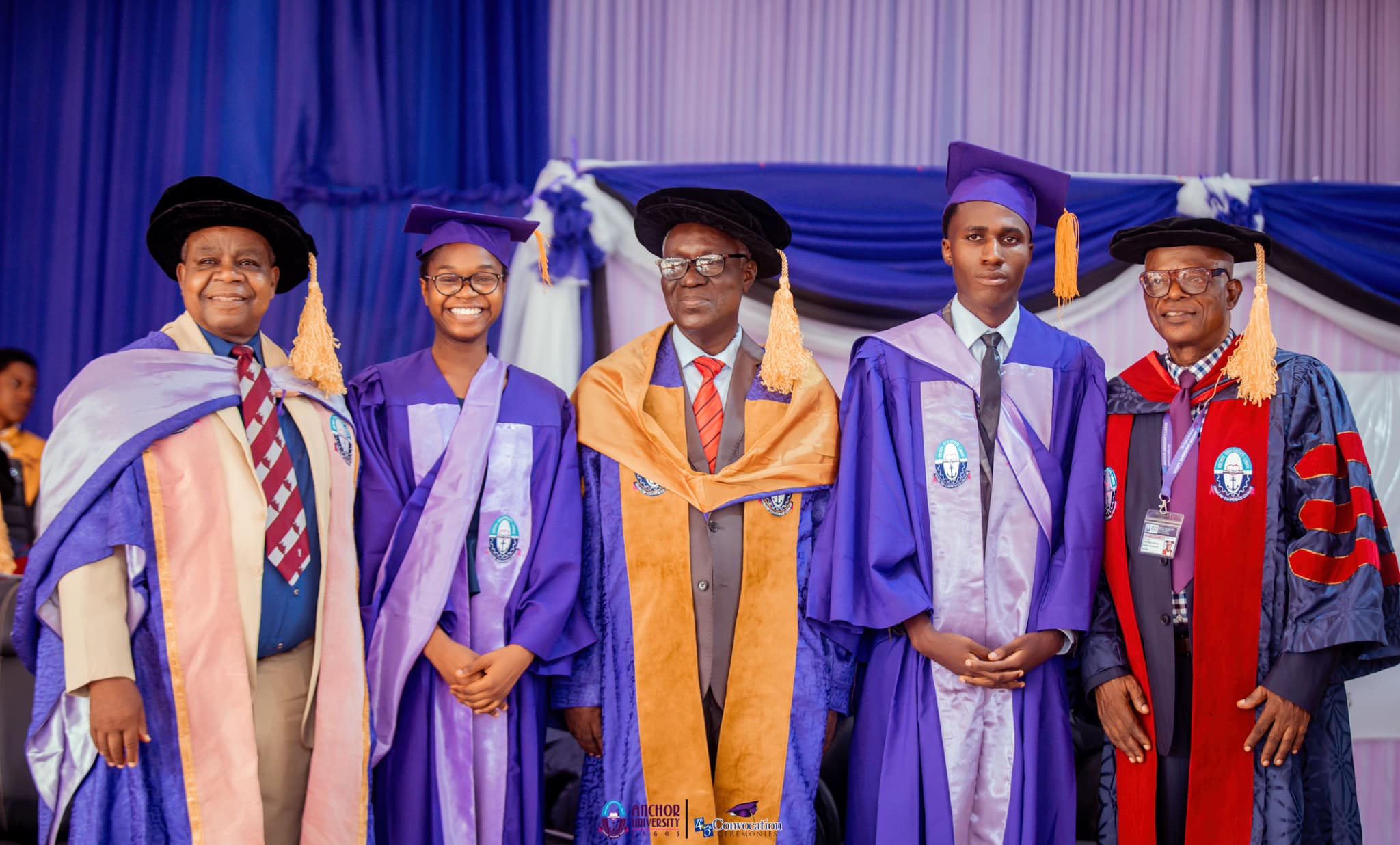
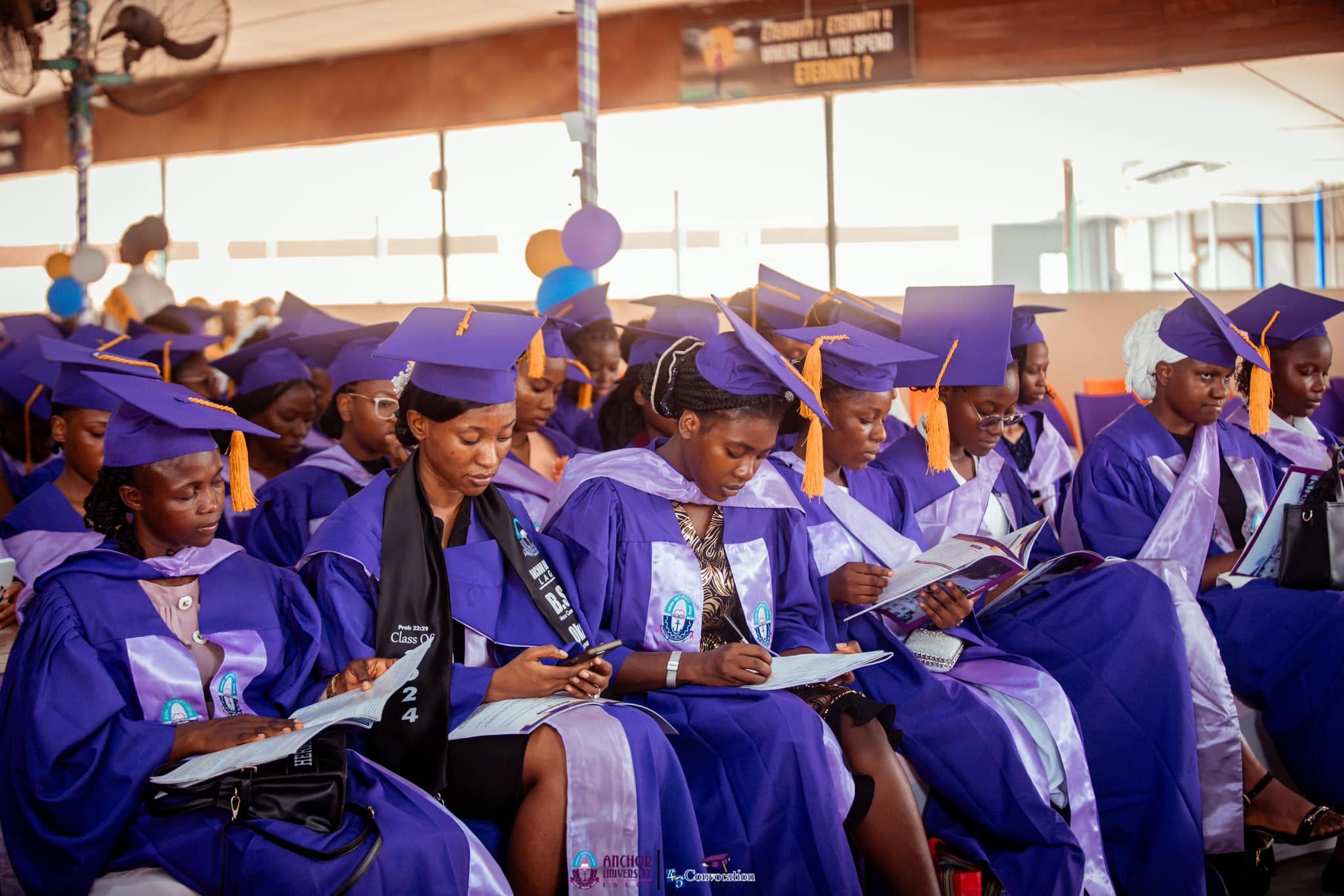
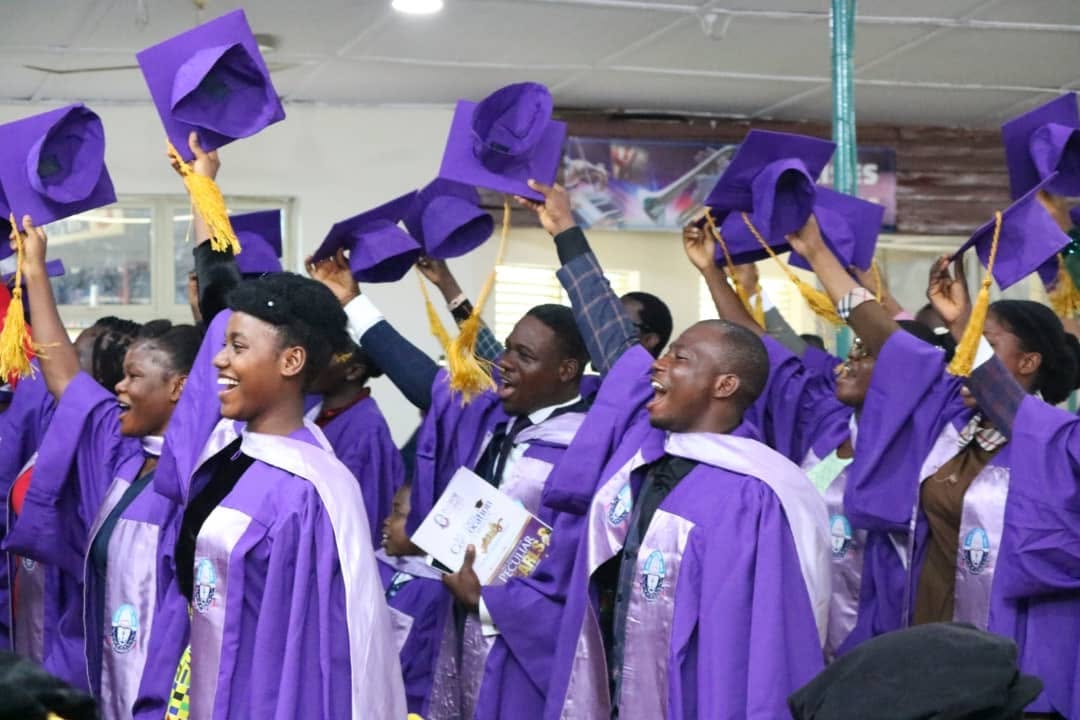
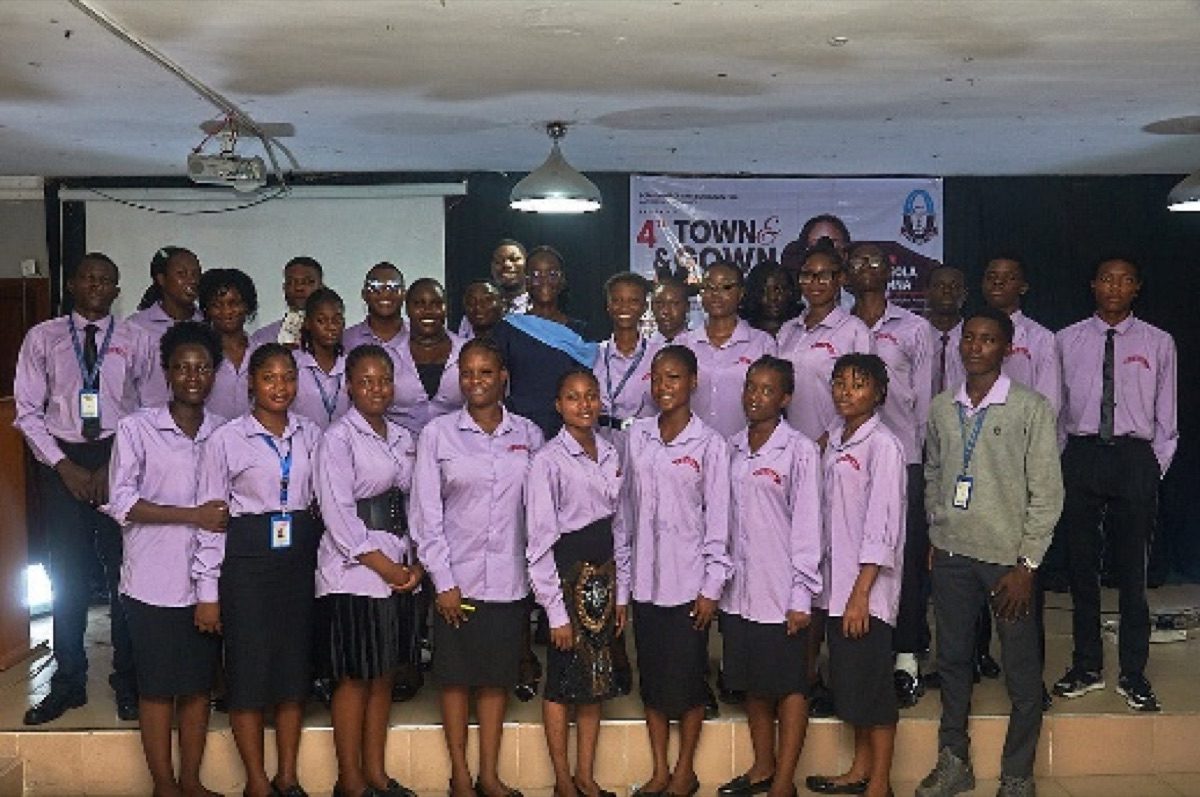
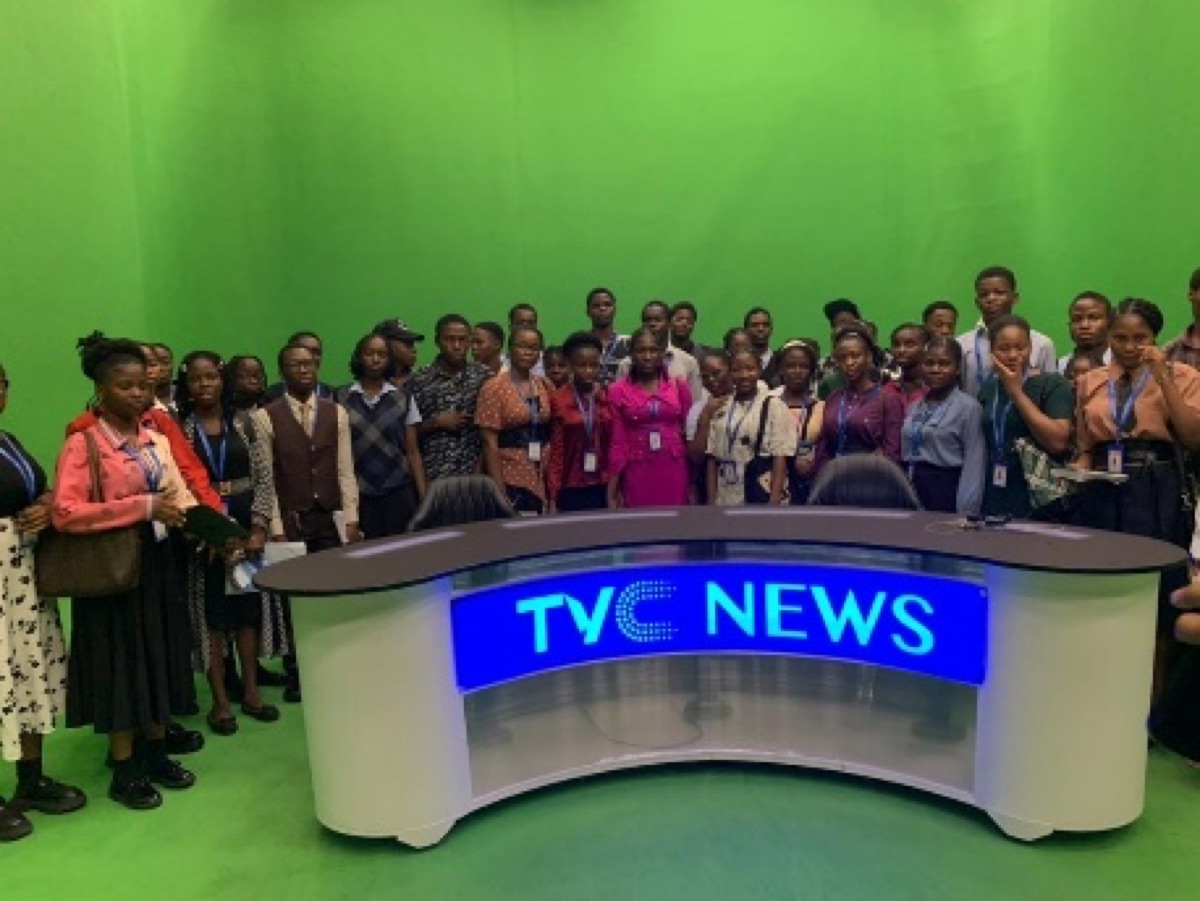
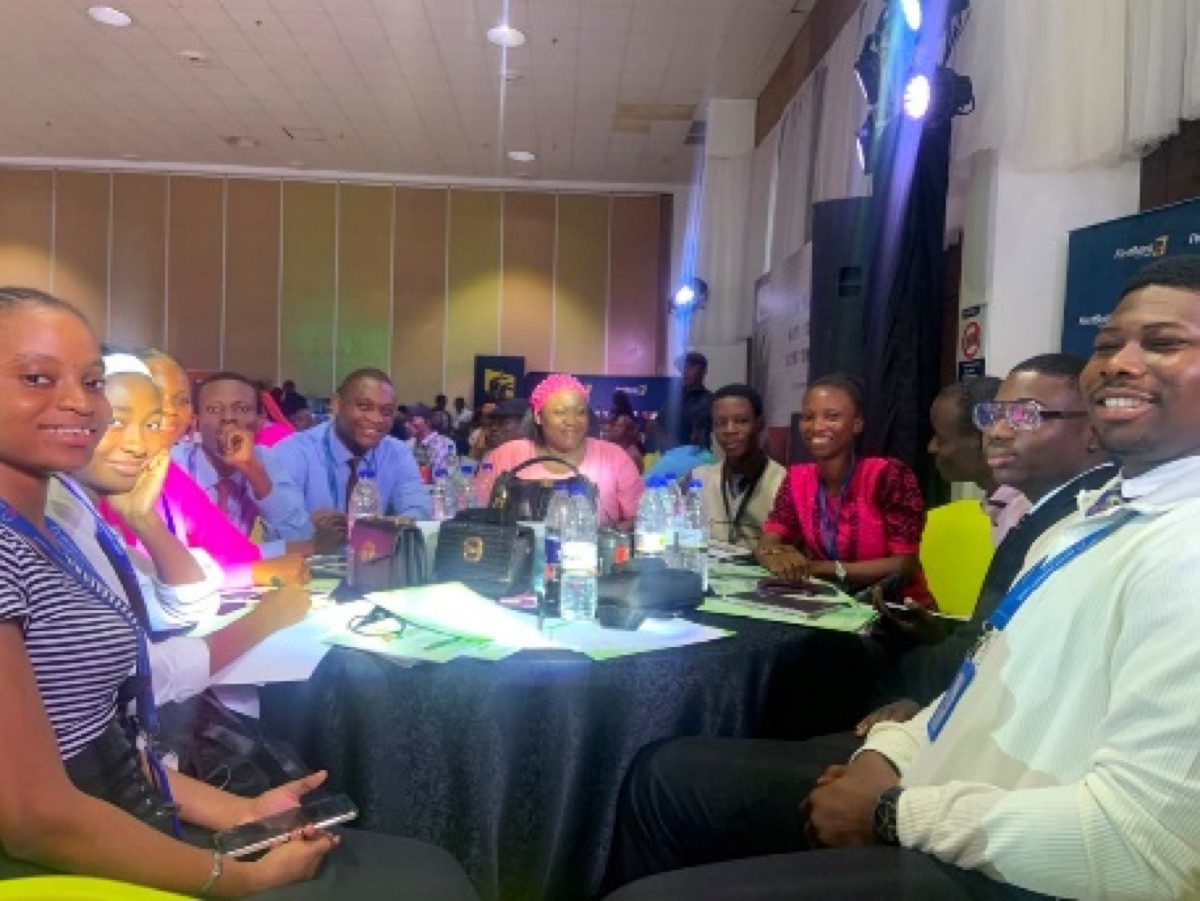
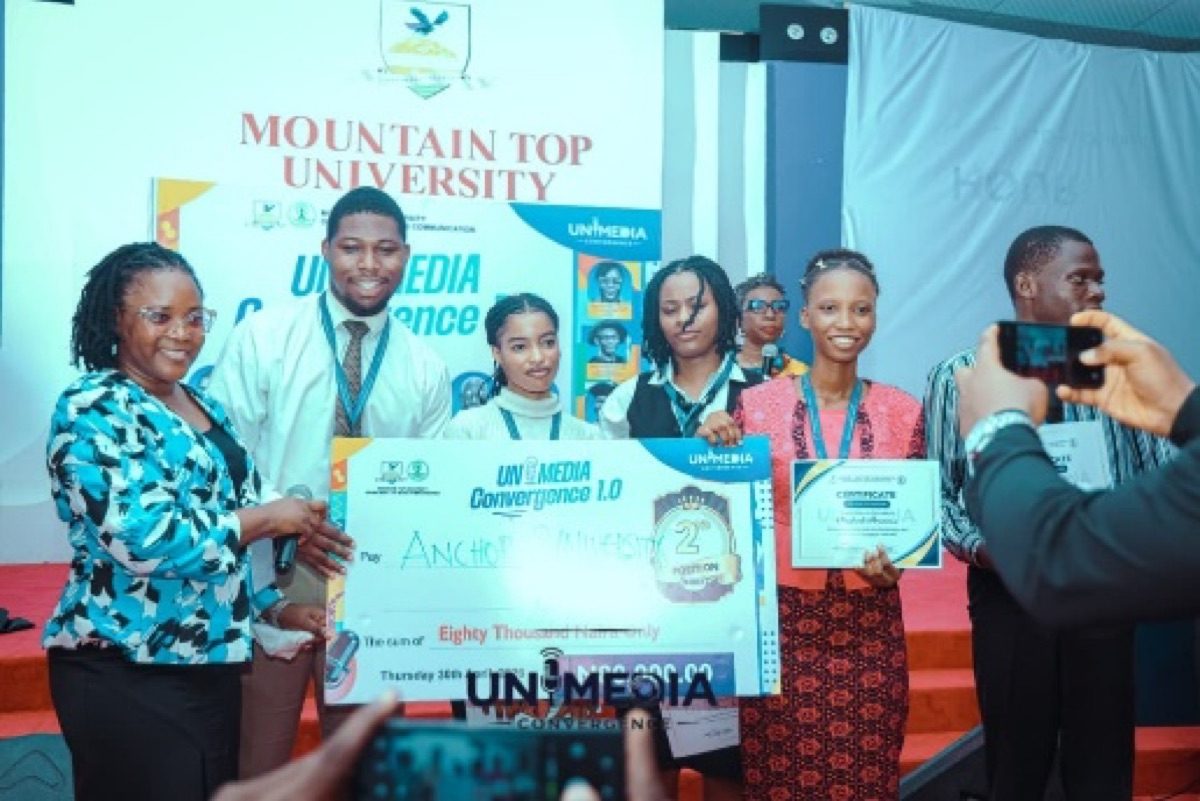
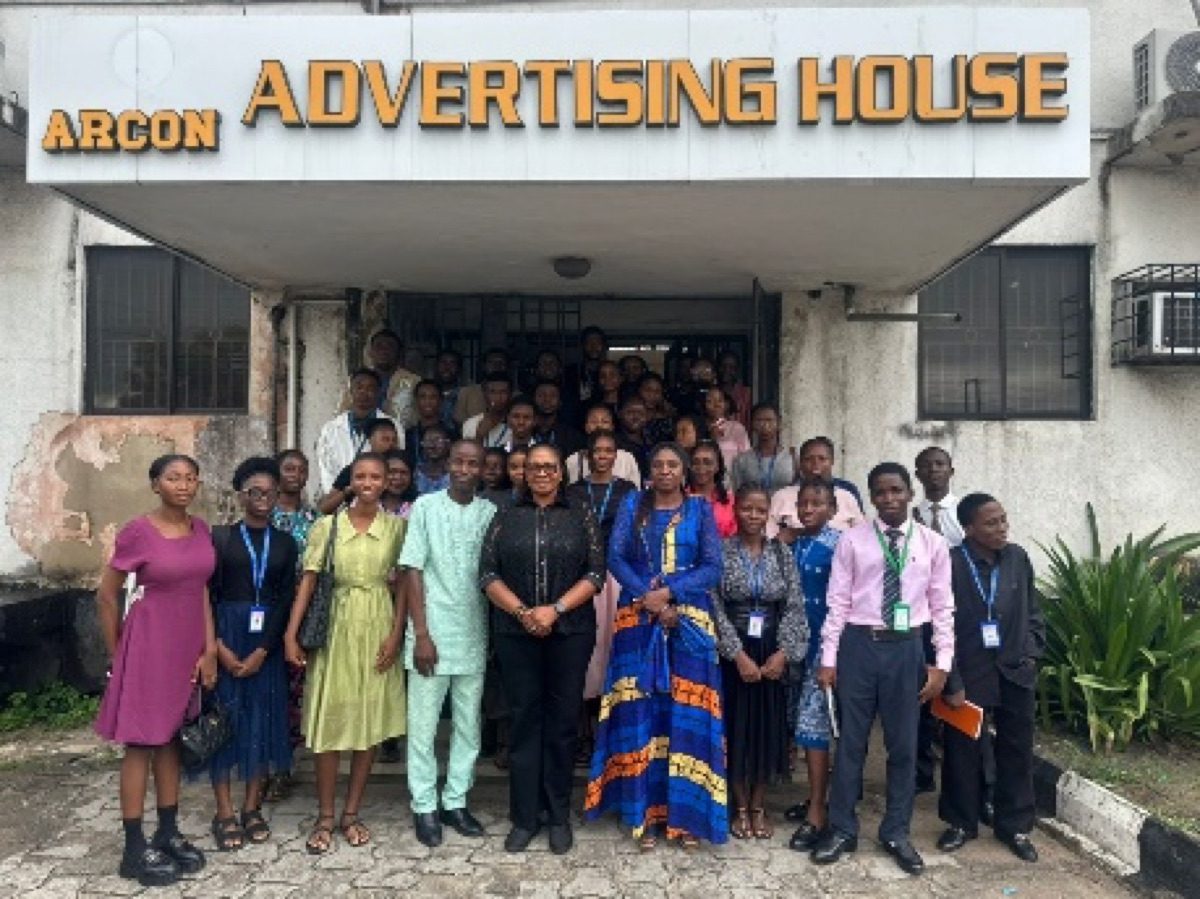
Life in the Department goes well beyond the lecture room. Students learn by doing: in the studio, in the newsroom, on the road and on the debate floor. Through academic, professional and social activities, they build confidence, teamwork and the industry exposure that the programme is designed to deliver.
A professionally oriented CCMAS programme with three sequences (Journalism; Public Relations and Advertising; Broadcast and Film) and two compulsory Media Attachment placements.
Departmental Coordinator
Dr. Gloria Onyinyechi Chigbu is a media and communication scholar in the Department of Mass Communication, Anchor University, Lagos, where she serves as Departmental Coordinator. She is an educator, researcher and communication practitioner with more than a decade of experience in university teaching, academic administration and media practice.
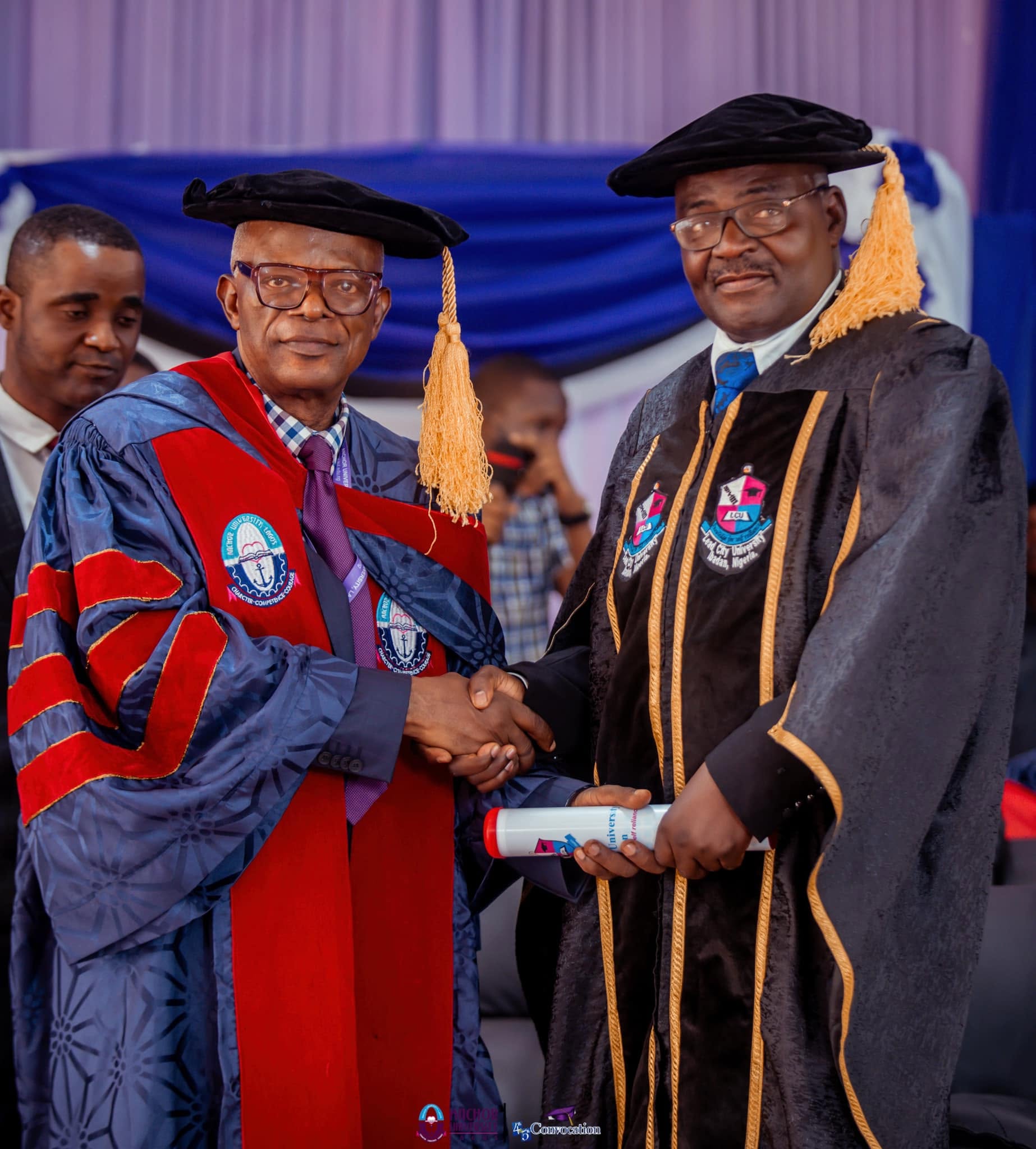
She holds a B.A. in Mass Communication from Bayero University, Kano, a Postgraduate Diploma in Education from Usman Danfodio University, Sokoto, an M.Sc. in Mass Communication from the University of Lagos, and a Ph.D. in Mass Communication from Lead City University, Ibadan.
Since 2012, Dr. Chigbu has taught at universities in Nigeria, the Benin Republic and Cambodia, covering journalism, broadcasting, public relations, media law and ethics, communication theory and research methods. Her leadership roles include Coordinator of Mass Communication at Anchor University, member of the Faculty Quality Assurance Committee, and Head of the Department of Mass Communication at ESGT Université, Benin Republic (2019-2024).
Before her academic career, she worked at Biscon World TV, Vanguard Newspapers and NECCI PR Consultants, and has facilitated professional training for organisations such as Chevron Nigeria.
Her research covers artificial intelligence and communication, disaster and science communication, misinformation, and environmental issues in Nigeria. She is the author of Concise Media Law and Ethics (2016) and has published widely in national and international journals. She is a member of the Nigerian Institute of Public Relations, the African Council for Communication Education (Nigeria Chapter) and the Association of Media and Communication Researchers of Nigeria.
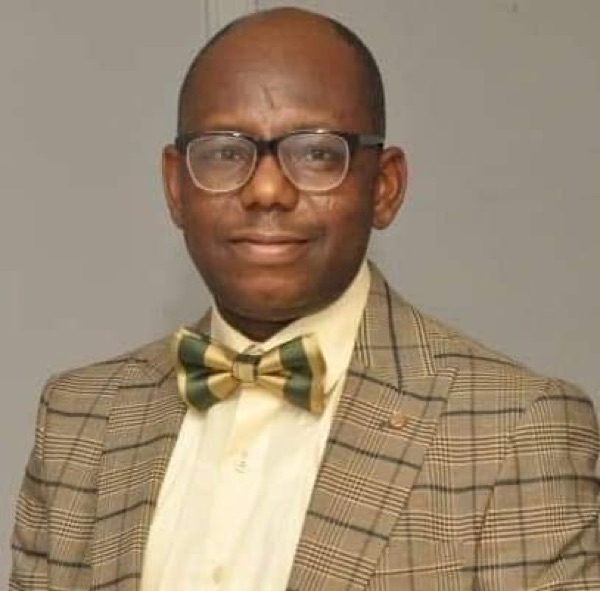
Professor of Development Communication and Media Studies; Deputy Vice-Chancellor
Professor Olusola Samuel Oyero is a Professor of Development Communication and Media Studies and the Deputy Vice-Chancellor of Anchor University, Lagos. He is an accomplished academic, researcher, university administrator and mentor with a career spanning over two decades in higher education.
He earned his Bachelor’s and Master’s degrees in Communication and Language Arts from the University of Ibadan and a Ph.D. in Mass Communication from Covenant University. He also undertook a post-doctoral fellowship at North-West University, South Africa. He commenced his teaching career in 2003 and has steadily risen through the academic ranks, from Assistant Lecturer to Professor.
In university administration, he has served as Head of Department of Mass Communication at both Covenant University and Anchor University, Dean of the Faculty of Humanities, Social and Management Sciences at Anchor University, Chair of the Senate Business Committee, Member of the University Governing Council, and Chair of several university committees. He is also a member of the Board of Trustees of the African Council for Communication Education (Nigeria Chapter) and of Okunland University, Kogi State.
He has supervised undergraduate, master’s and doctoral research, served as an external examiner for postgraduate programmes across several Nigerian universities, and contributed to curriculum development and quality assurance. He has also been Senior Research Associate at the Olusegun Obasanjo Centre for African Studies, National Open University of Nigeria, and Editor-in-Chief of the Anchor University Journal of Humanities, Management and Social Sciences.
His scholarship spans communication, child rights, health communication, development communication, digital media and other social issues, and is devoted to using knowledge to address real problems and improve society. Beyond academia, he is committed to spiritual service and pastoral ministry as a Group Pastor in the Deeper Life Bible Church, Ilogbo Region, Ota, Ogun West.
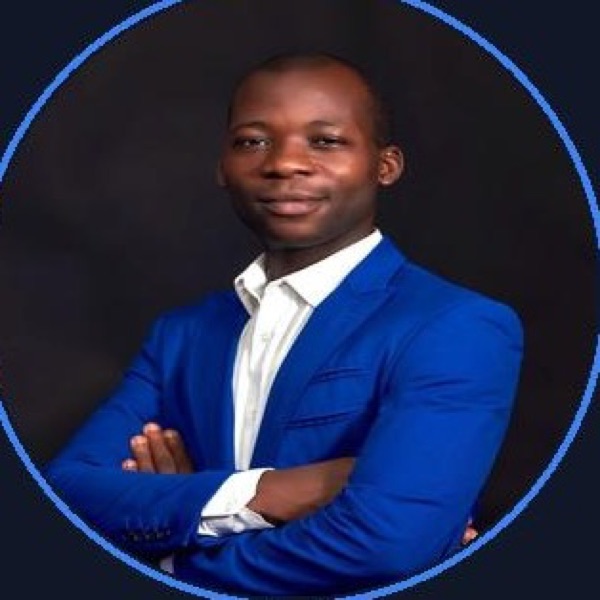
Lecturer and Communication Researcher
Ayodeji Olaniyi is an academic and researcher working at the intersection of health communication, artificial intelligence, digital media and development communication. His research examines AI-mediated health interventions, digital inequality, public-health emergency communication, social media dynamics and culturally responsive technologies.
His broader scholarship encompasses political communication, broadcast media, cultural diversity, environmental communication and youth entrepreneurship, contributing grounded African perspectives to global digital health discourses.
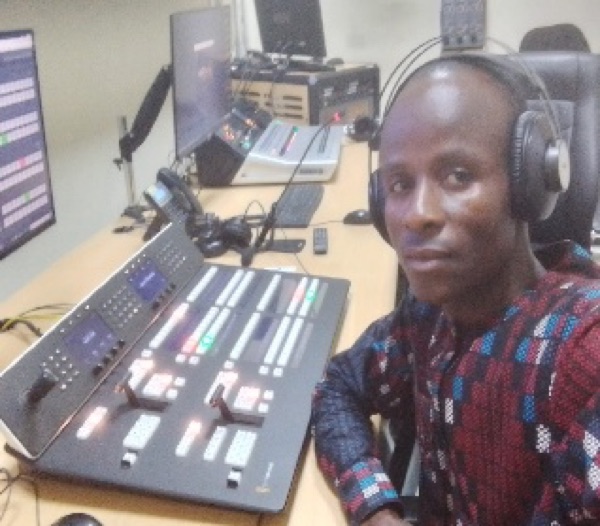
Lecturer
Saheed Oluwaferanmi Joseph is a lecturer in the Department of Mass Communication, Anchor University, Lagos, with more than fifteen years of experience in broadcast directing, quality control and higher education. His work connects the technical operations of the Master Control Room (MCR) with the theory taught in the lecture hall.
He earned a B.A. (Hons) in Mass Communication from Olabisi Onabanjo University, Ago-Iwoye (2005–2010) and an M.Sc. in Mass Communication from the University of Lagos (2023–2024). He is currently a Ph.D. candidate in Communication Studies at Lagos State University, Ojo.
He began his broadcast career in 2010 at Unique Access Media, where he spent six years as Programme Director and Media Trainer. At DCLM TV (2016–2018) he served as Quality Control Officer and Programme Director, leading multi-camera and outside-broadcast productions. From 2018 to March 2024, he was a Programme Director and Broadcast Journalist at Channels Television, directing programmes such as News at Ten, Sunrise Daily, The Morning Brief and Gist Nigeria, and training journalists and technical crew in studio directing and live production.
At Anchor University, he teaches mass media production, broadcast operations and related courses, bringing real studio practicals, MCR workflow design and industry quality-control standards into undergraduate instruction. His research examines the future sustainability of traditional media amid the spread of new media in Nigeria, and the differences and similarities between public relations and propaganda.
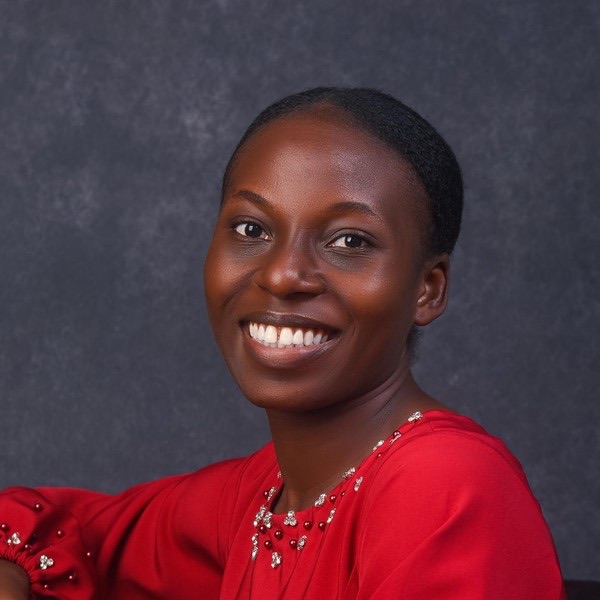
Editor, Communications Professional and Researcher
Temiloluwa Peculiar Ibitomi is an editor, communications professional, and researcher. She graduated with a first-class degree in Mass Communication from Anchor University Lagos, where she was named Best Graduating Student in the Department. She recently completed a master’s degree in Communication and Language Arts at the University of Ibadan.
As an editor, she has co-edited over 30 titles across literary and educational/academic publishing. These include The Road Does Not End by Olubunmi Familoni, winner of the 2024 Nigeria Prize for Literature, and Habitat of Ordinary People by Olumide Olutola, winner of the 2025 ANA/King Dakolo Prize for fiction.
Beyond her formal roles, she volunteers with several organisations utilising her communications skills to contribute to national development, including Black Girls Dream Initiative (BGDI), Ibadan Book and Arts Festival (IbaFest), The Comms Avenue (TCA), and the Nigerian Economic Summit Group (NESG).
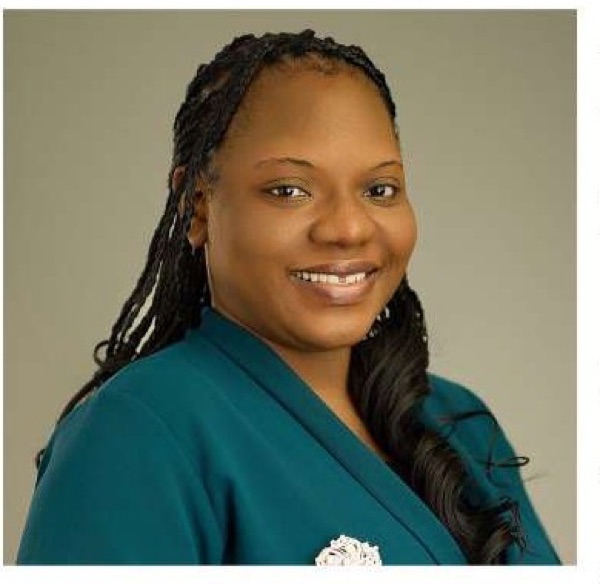
Public Relations and Advertising (PRAD) Technologist
Iwatomo Temitope is a Public Relations and Advertising (PRAD) Technologist in the Department of Mass Communication, Anchor University, Lagos, where she provides practical training and guides students in graphic design, desktop publishing, print production and the use of industry-standard Adobe Creative Suite applications.
She holds a Master’s degree in Mass Communication from the University of Lagos, a Bachelor’s degree in Mass Communication from Anchor University, and a Higher National Diploma in Graphic Design Technology from The Polytechnic, Ibadan.
Her academic and professional interests include public relations and advertising, media and information literacy, digital media, and the application of media technologies in education. She is also passionate about mentorship and community development and has taken part in initiatives supporting and mentoring youths in Nigeria.
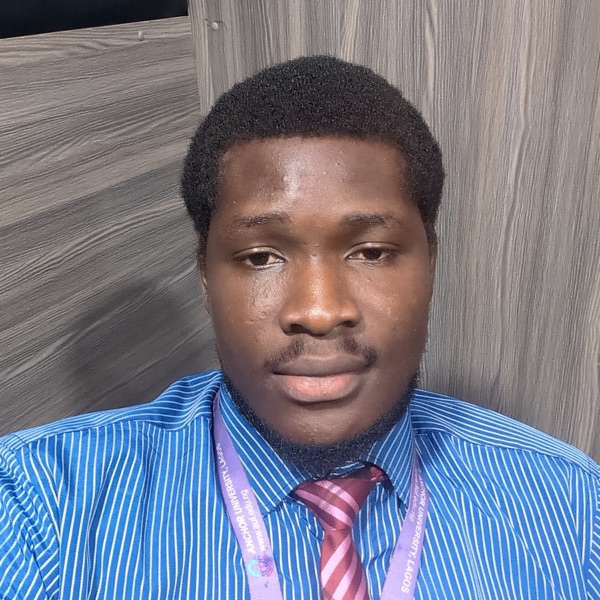
Studio Technologist/Technician
Bamikole Courage Ayejuyo is a Mass Communication graduate of Anchor University, Lagos, and serves as Studio Technologist/Technician in the Department of Mass Communication. His professional interests centre on media production, broadcasting, photography, videography, cinematography and digital content creation, with a particular focus on studio operations, camera handling, media equipment management and post-production.
In the university, he supports practical media training and production activities, working with students and colleagues in the use of studio facilities and production equipment. He is passionate about creating an effective practical learning environment where students can develop the technical and creative skills required in the media industry.
He is interested in learning new technologies and exploring creative approaches to storytelling and visual communication, and is committed to continuous professional development and to the growth of media education, studio production and the wider communication profession.
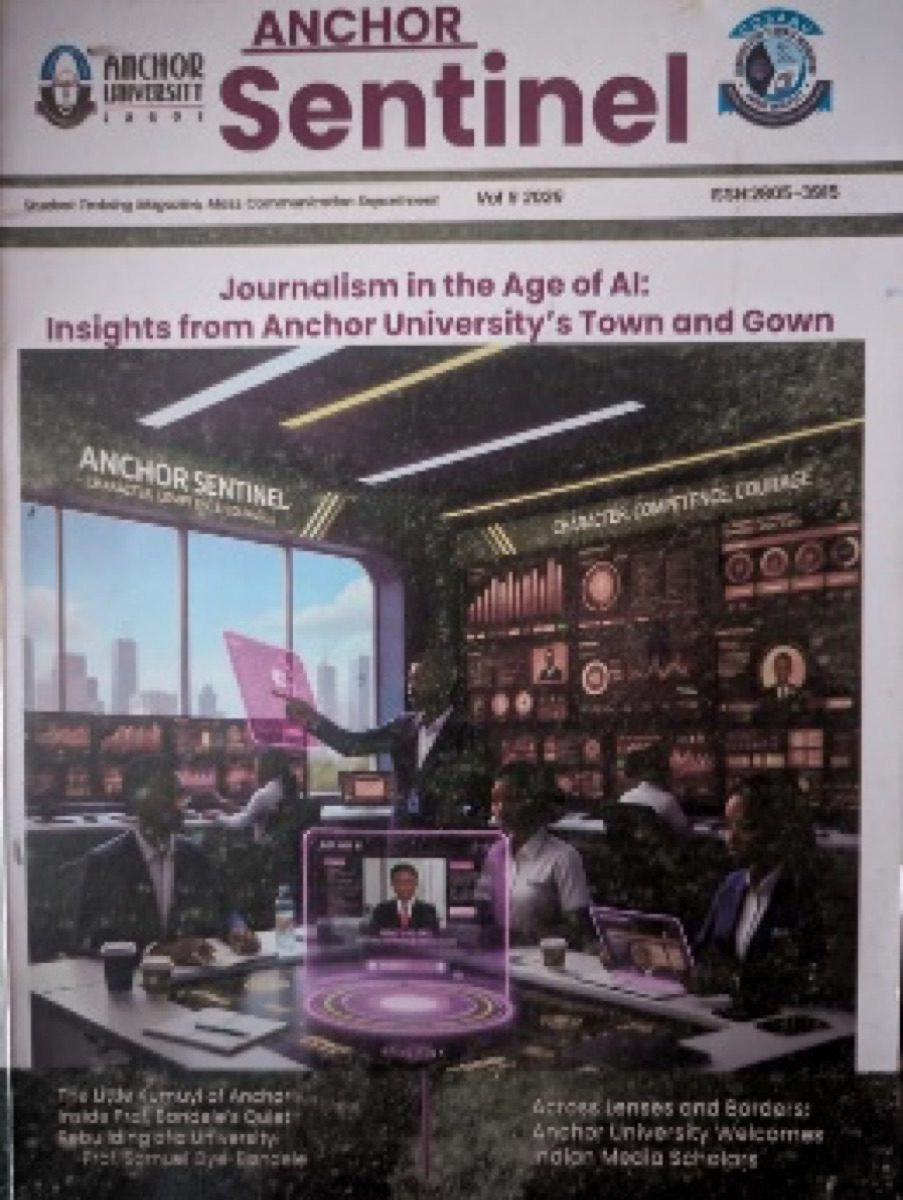
A glimpse of our studios, magazines, Town and Gown events, excursions and other student activities.
Admissions for the 2026/2027 academic session are now open. Take the first step towards a brighter future at Anchor University Lagos.